
Travel Advisory
Mali has introduced reciprocal visa bond requirements for U.S. citizens, requiring deposits of $5,000 – $10,000 starting October 23, 2025, in response to similar measures by the United States.
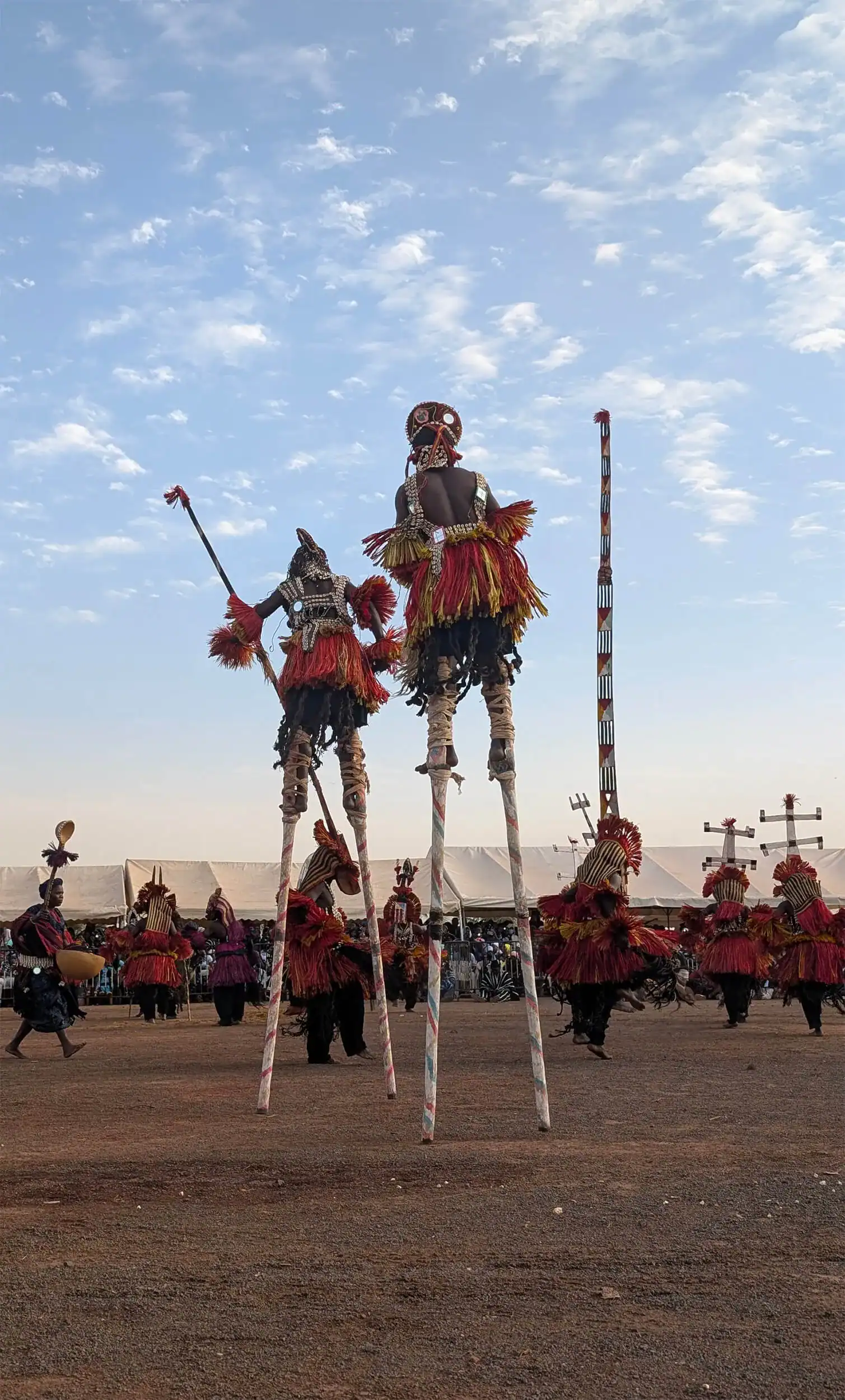
This journey offers a close look at Mali’s tribal groups and their traditions, along with visits to beautiful cities and villages. The trip starts in Bamako and continues north to the ancient adobe cities of Segoukoro, Djenné (a UNESCO World Heritage Site), and Mopti, located on the Niger River banks. The journey concludes in the Cliffs of Sibi, in Mandinka country, to appreciate the natural scenery and Animistic traditions.
Upon arrival at Bamako airport, you will be met by our staff and transferred to your hotel. Bamako, the capital city of Mali, is located on the Niger River. It is a historical and cultural center with arts, commerce, and trade.
Overnight: Hotel Tamana or Loft BBL
This morning, travel in an air-conditioned 4×4 for a 3-hour trip to Segou, a town northeast of Bamako on the right bank of the Niger River. You can choose between a Bogolan-making class or a Djembe drumming experience.
Overnight: Hotel Djoliba or similar BBL
Today focuses on Segou’s traditions and arts, including a visit to the village of Ségou-Koro, the former seat of the Bambara Empire where the late King Biton Coulibaly is buried. You’ll also get to see local artists’ studios. In the afternoon, a scenic Niger River cruise takes you to the village of Kalabougou. This village is known for its pottery, crafted mainly by women.
Overnight: Hotel Djoliba or similar BBL
After breakfast, a drive takes you to the edge of the Sahel. Today includes visits to some of West Africa’s impressive architectural sites. The Djenné adobe mosque, the largest mud building in the world, is a highlight. A stop in San allows you to see another adobe mosque similar in style to those of Timbuktu. You’ll reach Djenné around lunchtime to walk around the old city, see the mosque and other historical buildings, and then continue to Mopti for the night.
Overnight: Hotel Kanaga BBL
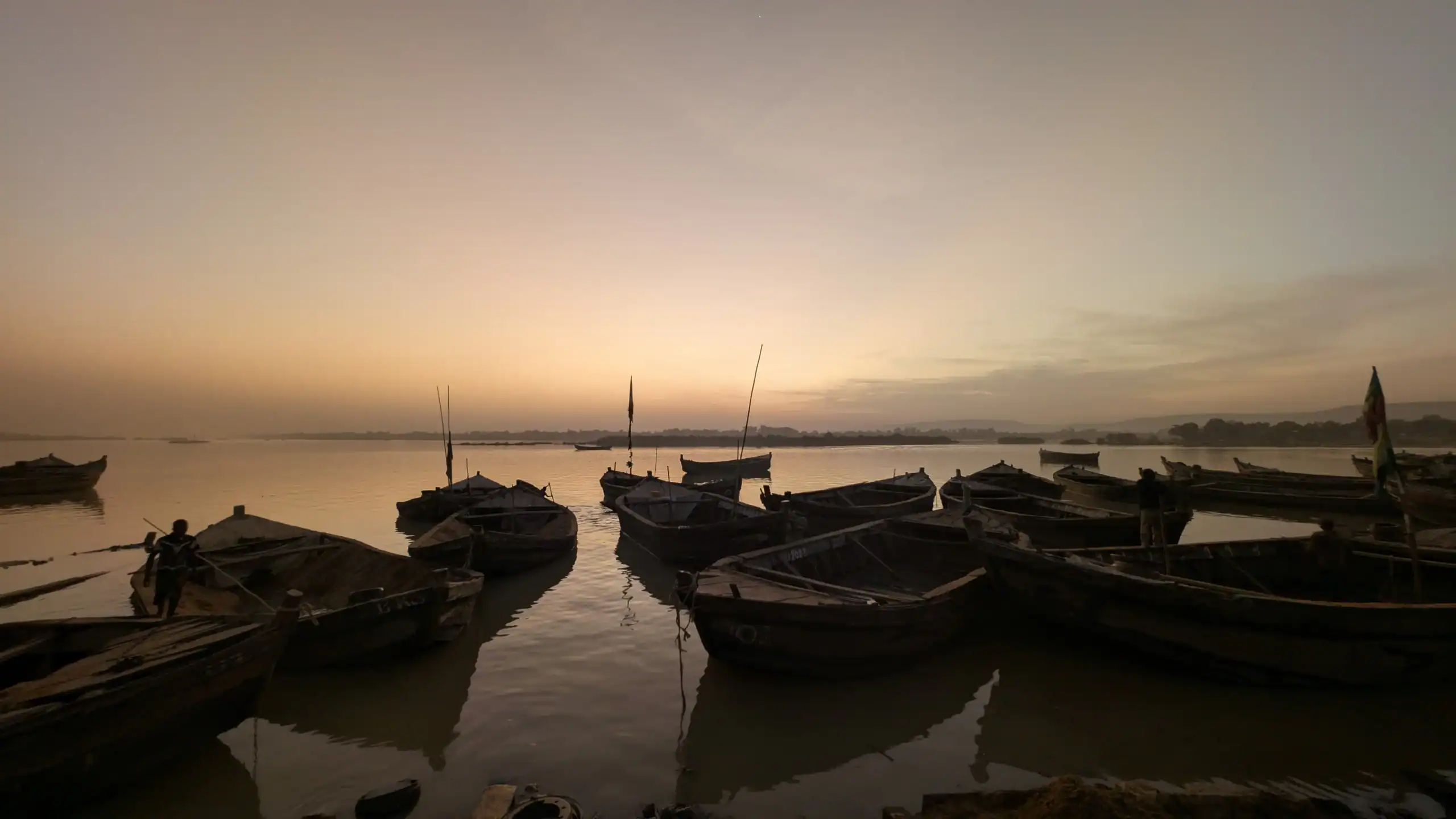
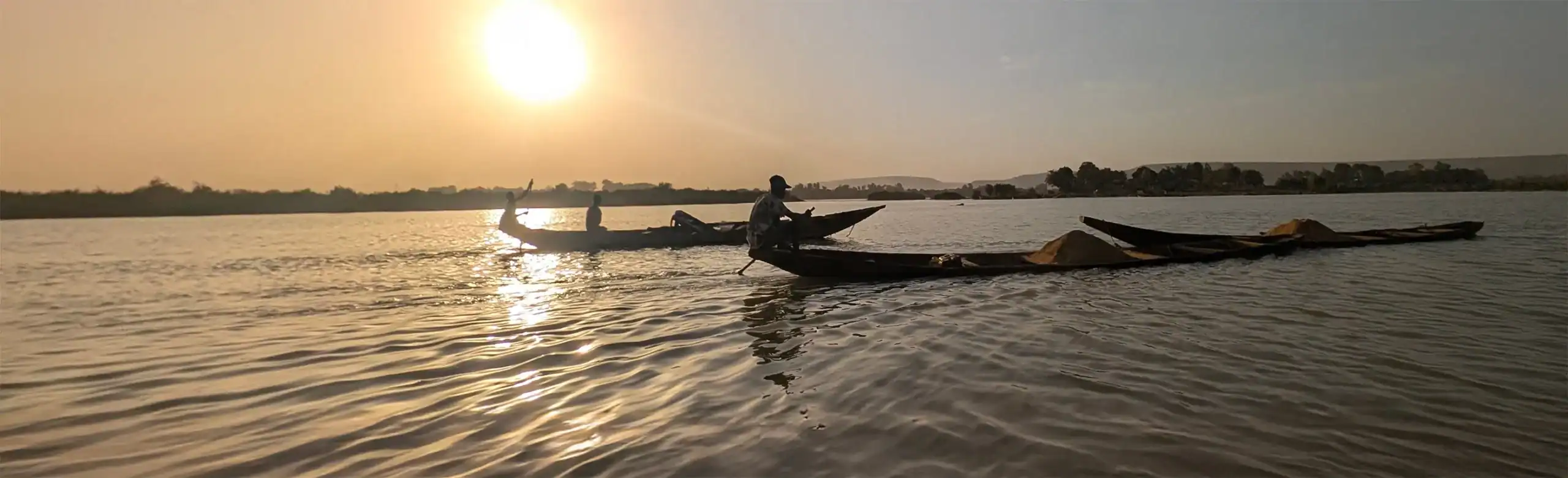
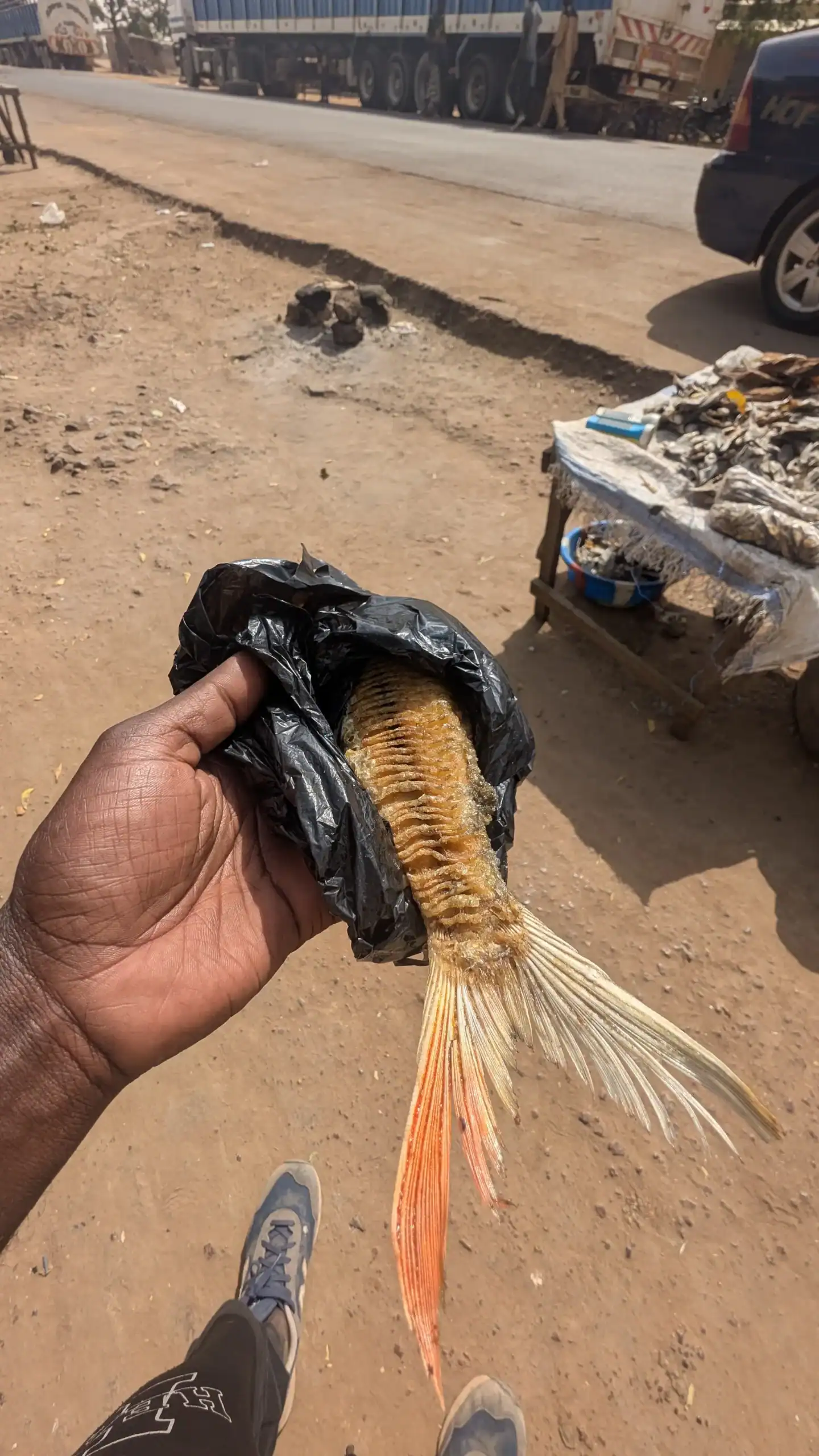
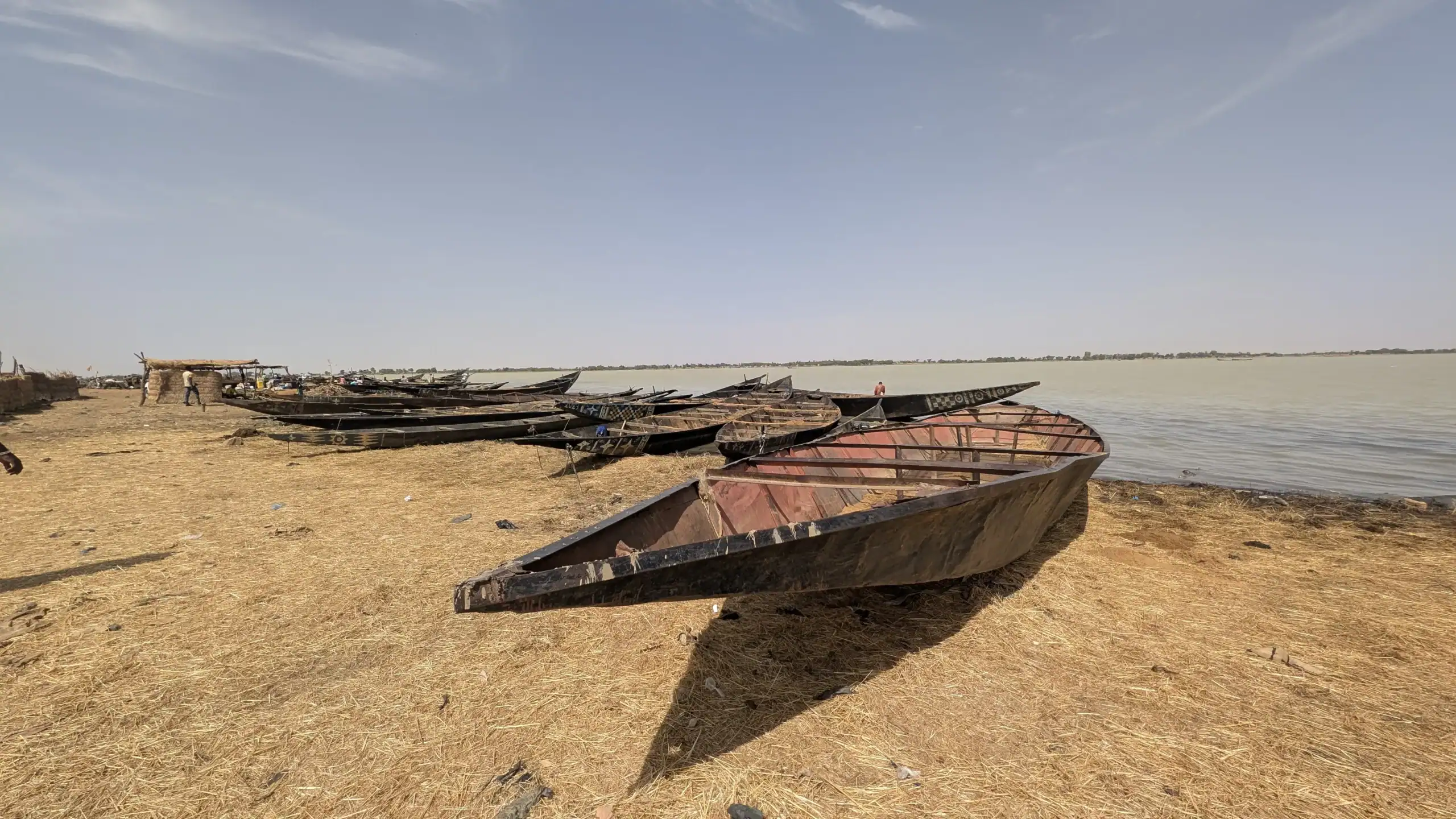
Today’s city tour of Mopti reveals why it’s called the Venice of Mali, with its location surrounded by the Niger and Bani rivers. You will see the Komoguel adobe mosque, walk around the old town, and explore the busy fishing port. See pirogues being made and the market where various ethnic groups such as Bambara, Bobo, Bozo, Dogon, Fulani, Tuareg and Songhays trade goods. The day ends with a sunset sail on the Niger River in a traditional pirogue, visiting the Bozo fishing tribe on an island. You’ll meet the local chief and people before returning to the mainland.
Overnight: Hotel Kanaga BBL
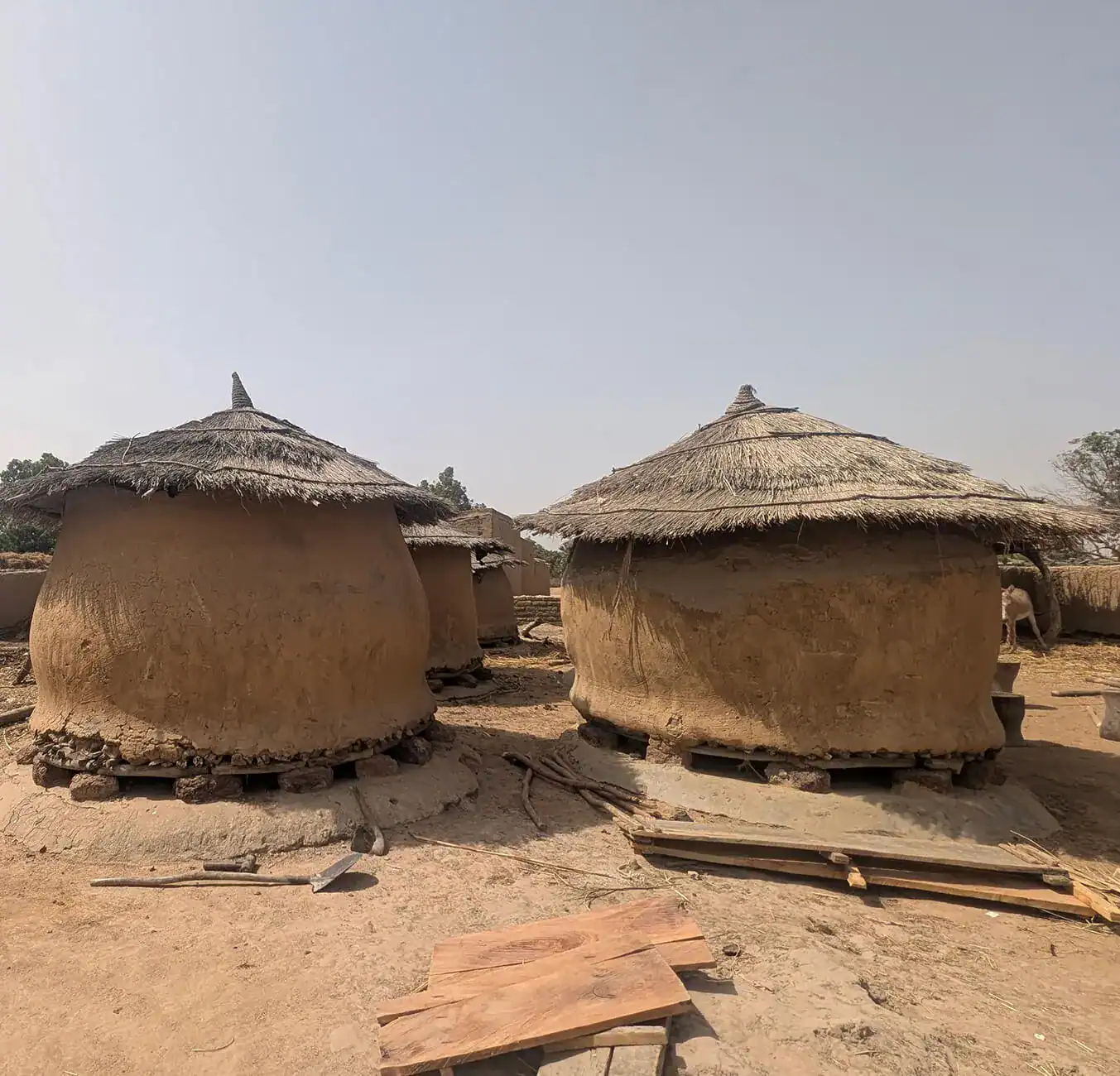
After breakfast, the journey returns from Mopti to Segou. A stop at Ganga village allows you to meet the Bobo ethnic group. The Bobo people practice an Animistic religion focused on ancestor worship, similar to the Dogon. Their granaries are considered works of art.
Overnight: Hotel Djoliba or similar BBL
The trip continues to Siby in Mandingo country. You’ll learn about Mandingo traditions and their symbolic place in Bambara culture. Afterward, you’ll drive back to Bamako, arriving around lunchtime to visit the Africa Towel or Tour before restaurant. Then you will depart towards Siby. Siby is a village and rural community in southern Mali, known for hiking and rock climbing. Stay at the Kamanja Hotel.
Overnight: Local Camping Kamanja Hotel BBL
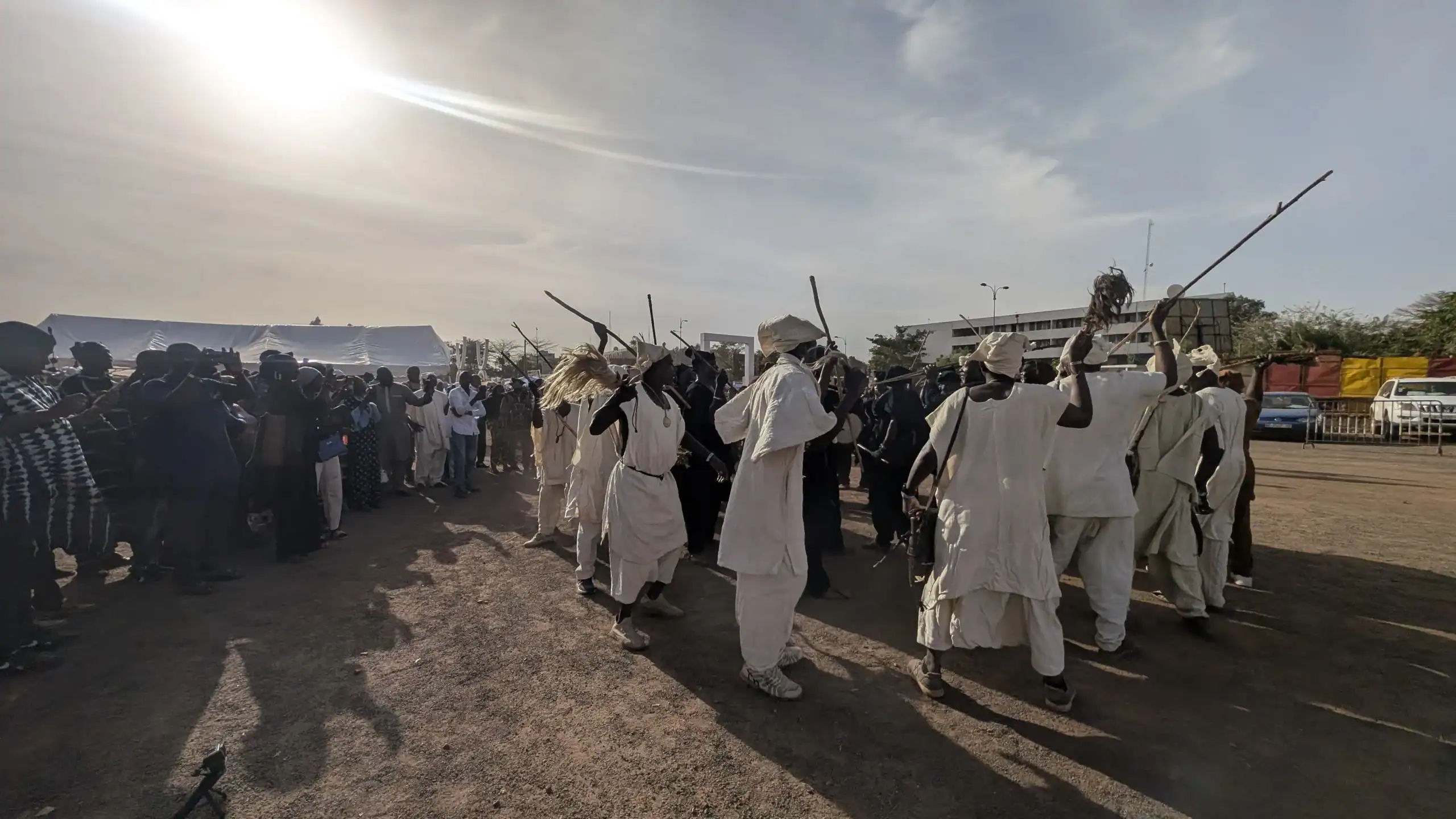
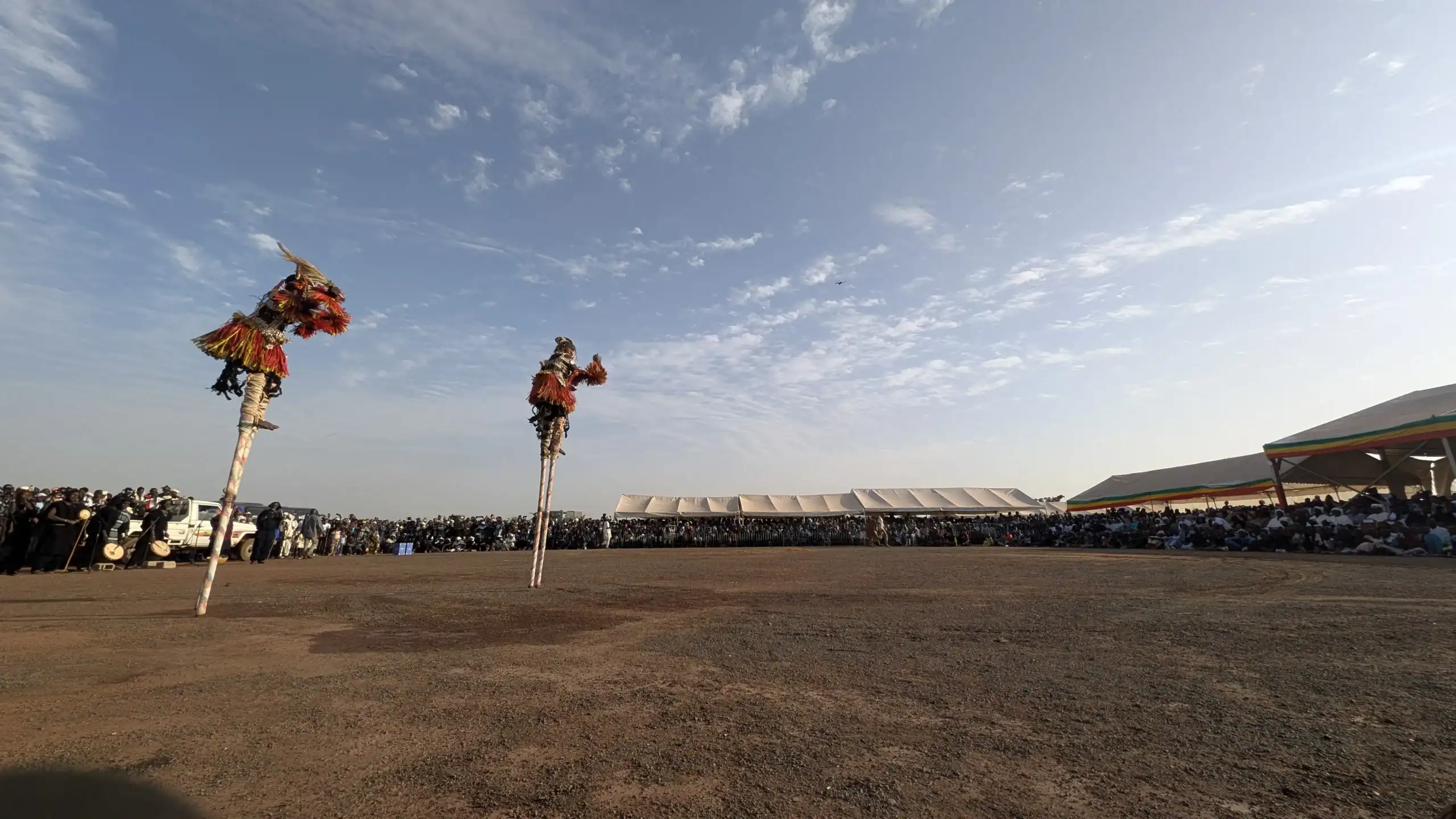
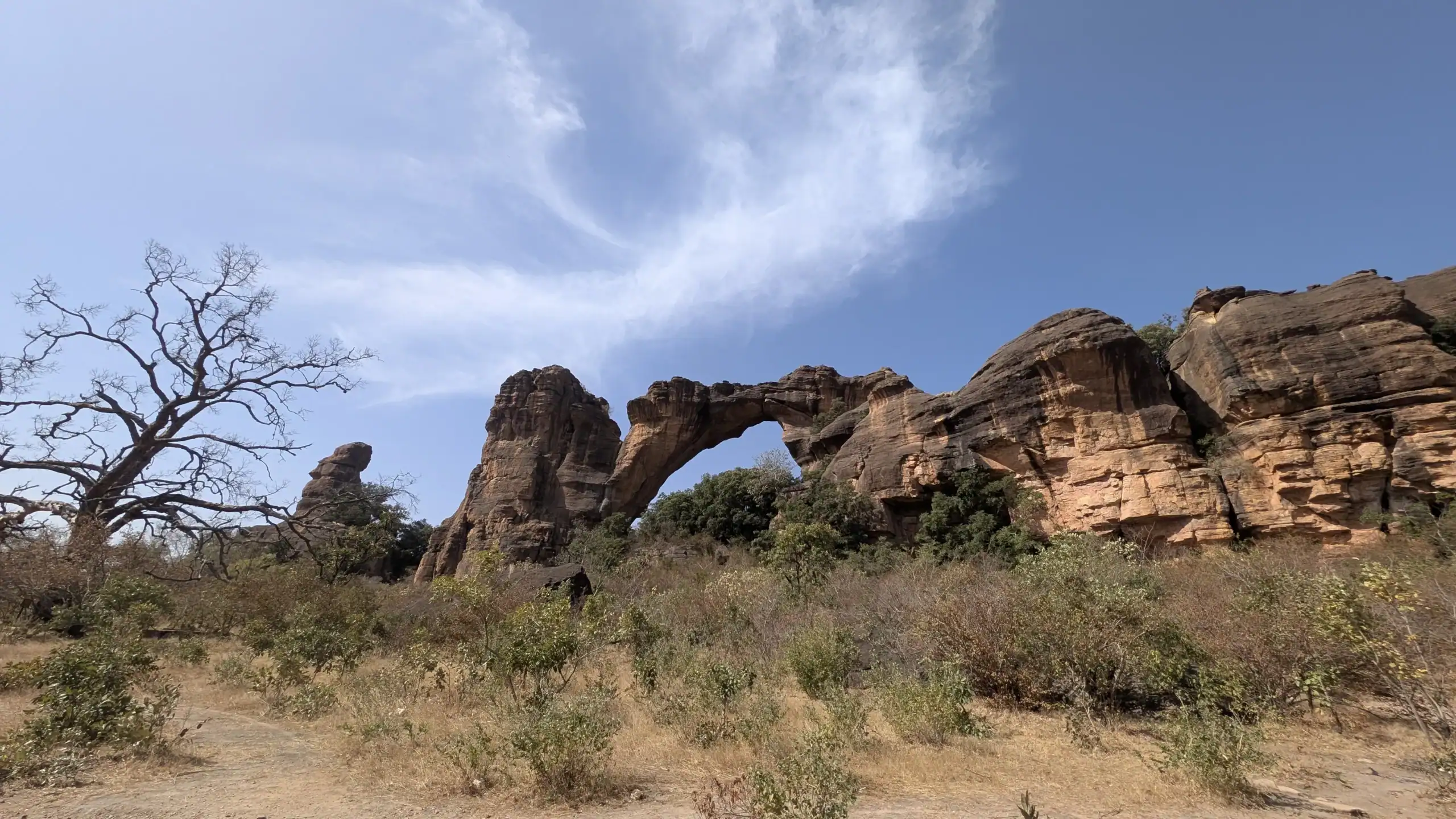
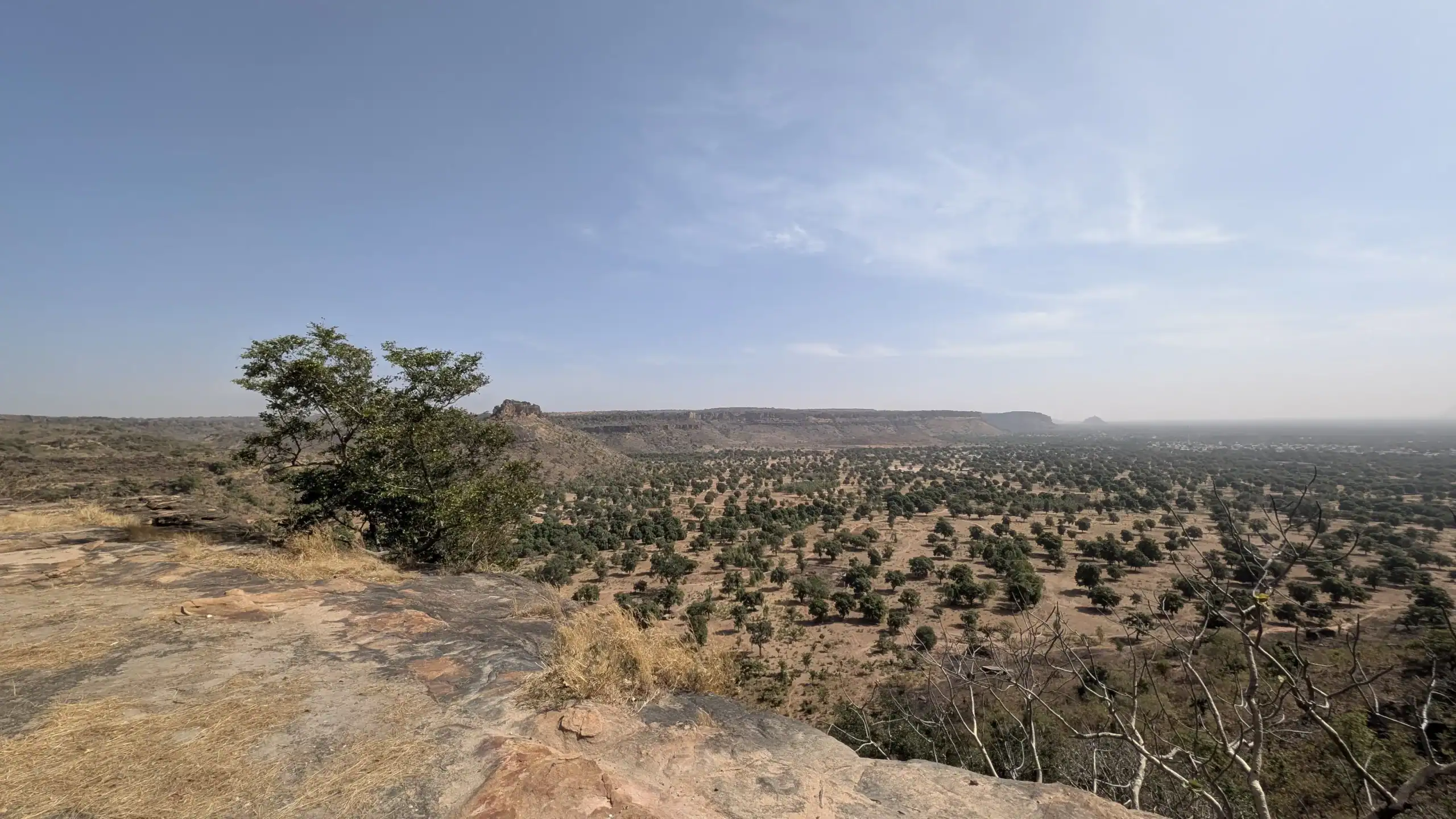
The morning involves a visit to the Mandingo King and a traditional Mandingo dance performance. This provides a view into the life of the Mandinka ethnic group, descendants of the 13th-century Mali Kingdom and the largest ethnic group in Mali. Later, there’s a trip through the rock climbing area. Visit Kamadjan Arch, a natural and historical stone arch used as a meeting place in the 13th century. This is where Sundiata Keita, founder of the Mali Kingdom, became its ruler.
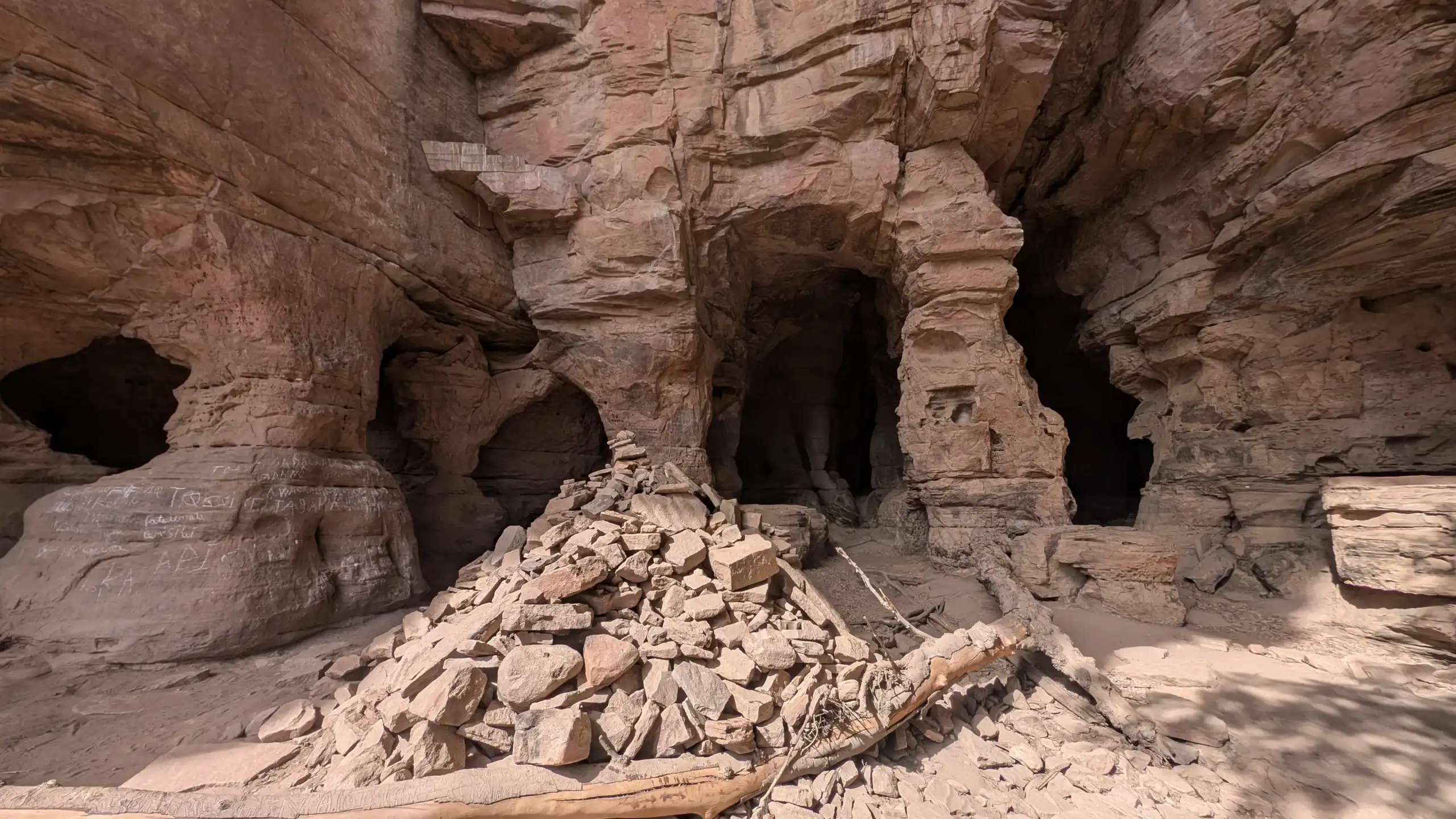
A day trip to the Mande area, considered the cradle of civilization, includes a visit to Kuru Koro Kale Fanfan, a historical dwelling cave, and Siby, where a local guide leads you to the Arch of Kamandjan. A large cave, created according to tradition by King Kamandjan, shows the Mandé Prince his abilities.
You will also visit the divination room and see the Mandé valley. The journey continues to Bancoumana and Kuru Kan Fugan, where Mali got its name in 1236, and where the 44 laws to regulate the country were established. Finally, you’ll visit the oldest sacred house of Mali in Kangaba, which is 996 years old.
Overnight: Kamanja Hotel BBL
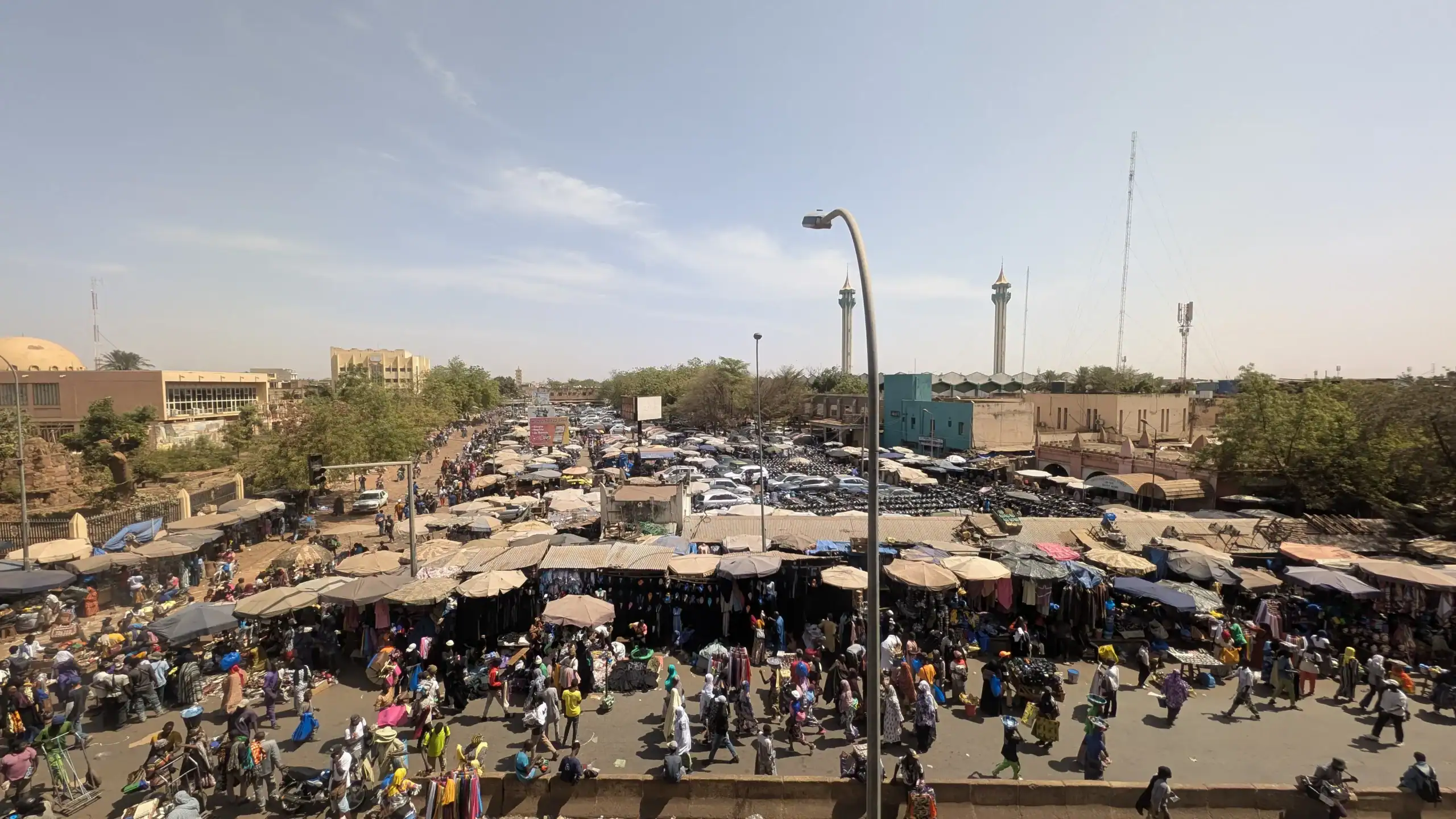
After experiencing the Mandingo culture, the trip goes through Bamako. You’ll explore Mali’s capital city and experience Malian hospitality, from open-air markets to the national museum. Cultural sites include the Bamako Grand Mosque and Cathedral of Bamako, the national Zoo, the Handcraft market, and the Point G overview. Lunch is in a restaurant.
The trip continues to Koulikoro to visit the historical mountain of Nianankoulou, known for the Nianan sacrifice stones. The caves of the mountain are said to be where the 13th-century ruler Soumangourou Kanté disappeared after being defeated.
You’ll also visit Niamè Fara or the Squatted Camel rock formation, and the nearby Faramissiri Caves, which contain a sacred mosque visited by pilgrims.
Overnight: Hotel in Nanagaleni or similar BBL
The trip ends with a 1.5-hour drive to Bamako airport for your flight home.


From $3000 / Person
From $4140 / Person
From $4140 / Person
Explore other journeys available in this destination, each offering a distinct way to experience the country’s landscapes, culture, and everyday life.
