
Begin in Bissau, where faded Portuguese architecture and easygoing street life draw you in. Head north to Casamance, where quiet beaches and lush greenery invite you to slow down, then continue to Oussouye, where the Diola king keeps tradition alive and present.
In Banjul, markets and river crossings bring a lively rhythm, before Dakar adds a sharper, modern edge alongside the historic pull of Gorée Island just offshore. Pink Lake shifts the landscape with its striking, salt-rich waters, and the journey concludes in Cabo Verde, where Praia’s Afro-Portuguese culture, volcanic scenery, and open Atlantic views offer a calm, effortless finish.
Arrive in Bissau and settle in without rushing it. The city carries a worn coastal feel, with broad streets and quiet movement that helps you ease in. Check into a hotel for space to reset before the journey north begins.
The drive into Senegal takes around four hours, and by the time you reach Cap Skirring, the coastline opens wide, with palm-lined beaches and a heavier, slower atmosphere.
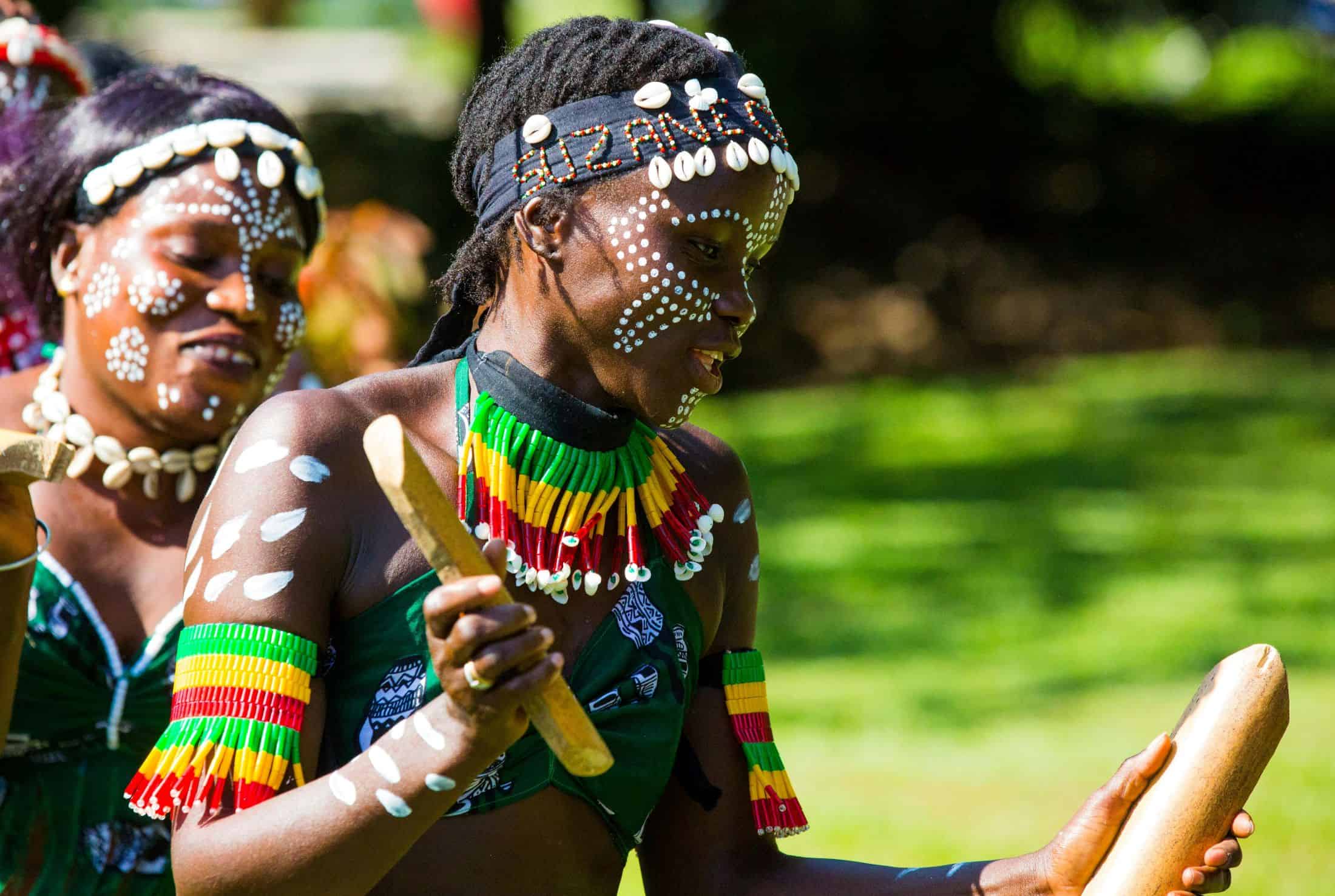
Leaving the coast, the road moves inland toward Oussouye, where the environment becomes more enclosed and traditional. Meeting the Diola king takes place within the sacred forest, where customs are still actively observed. From here, continue across the border into The Gambia and stay along the coast for a refined stay.
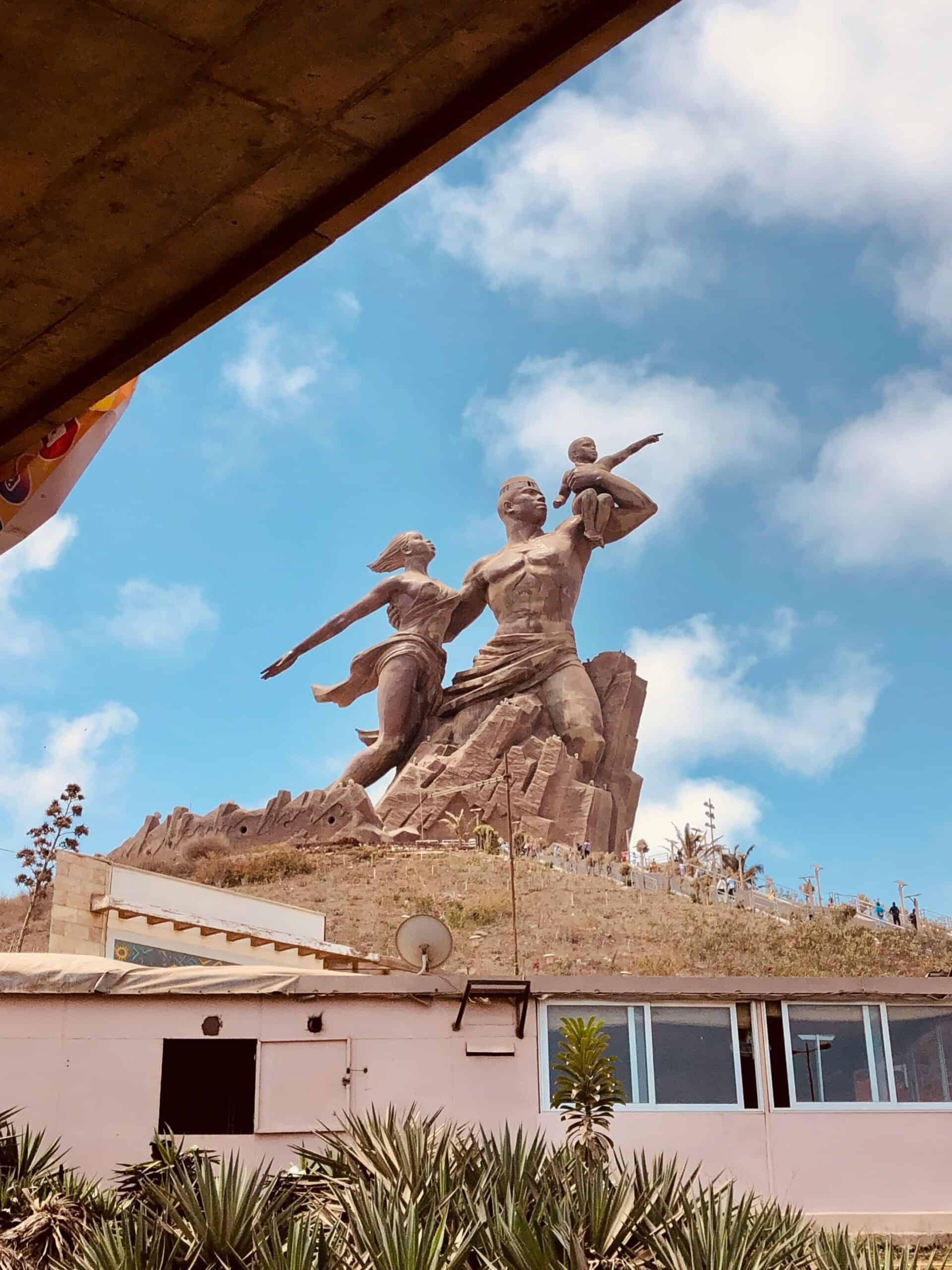
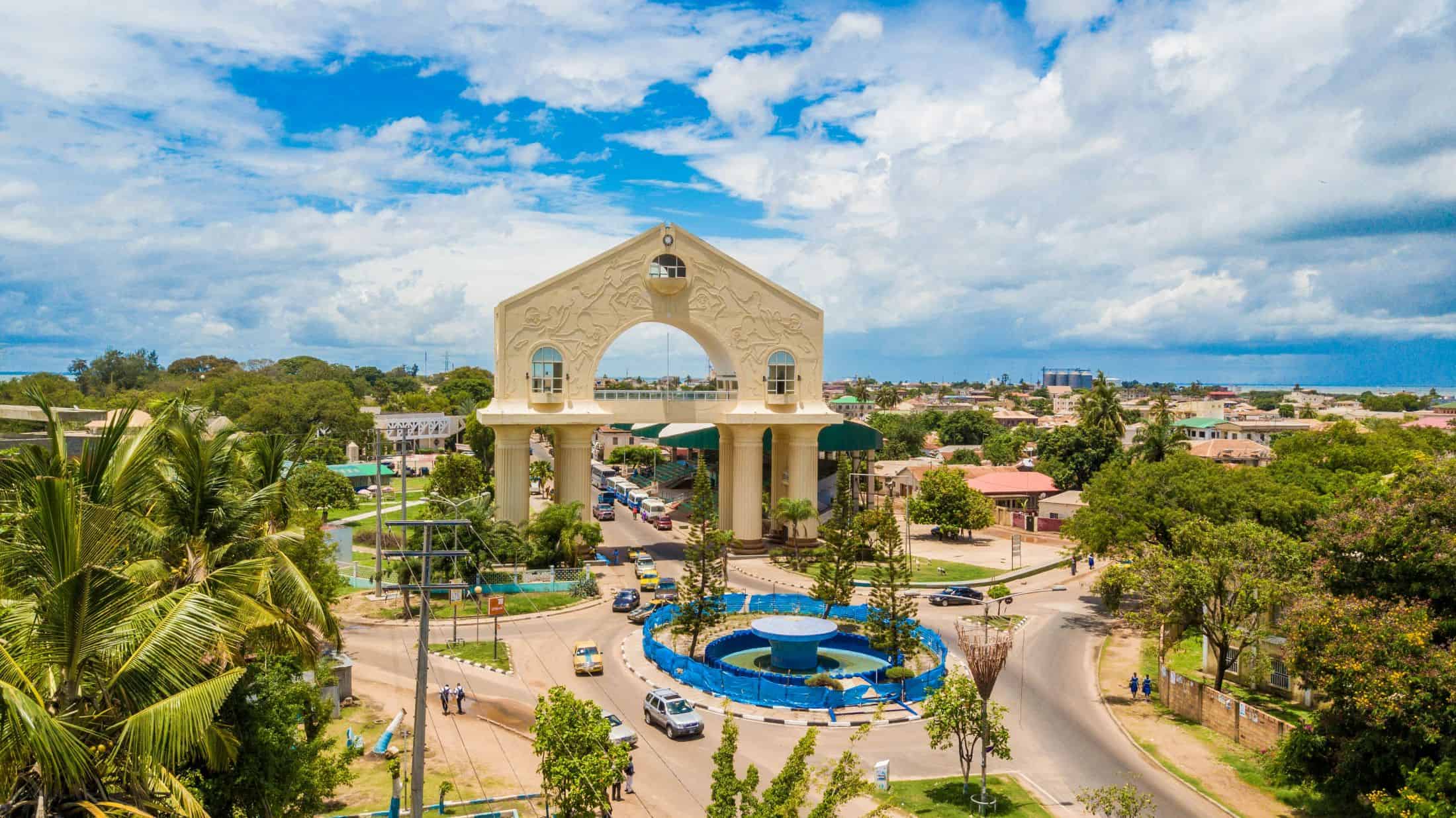
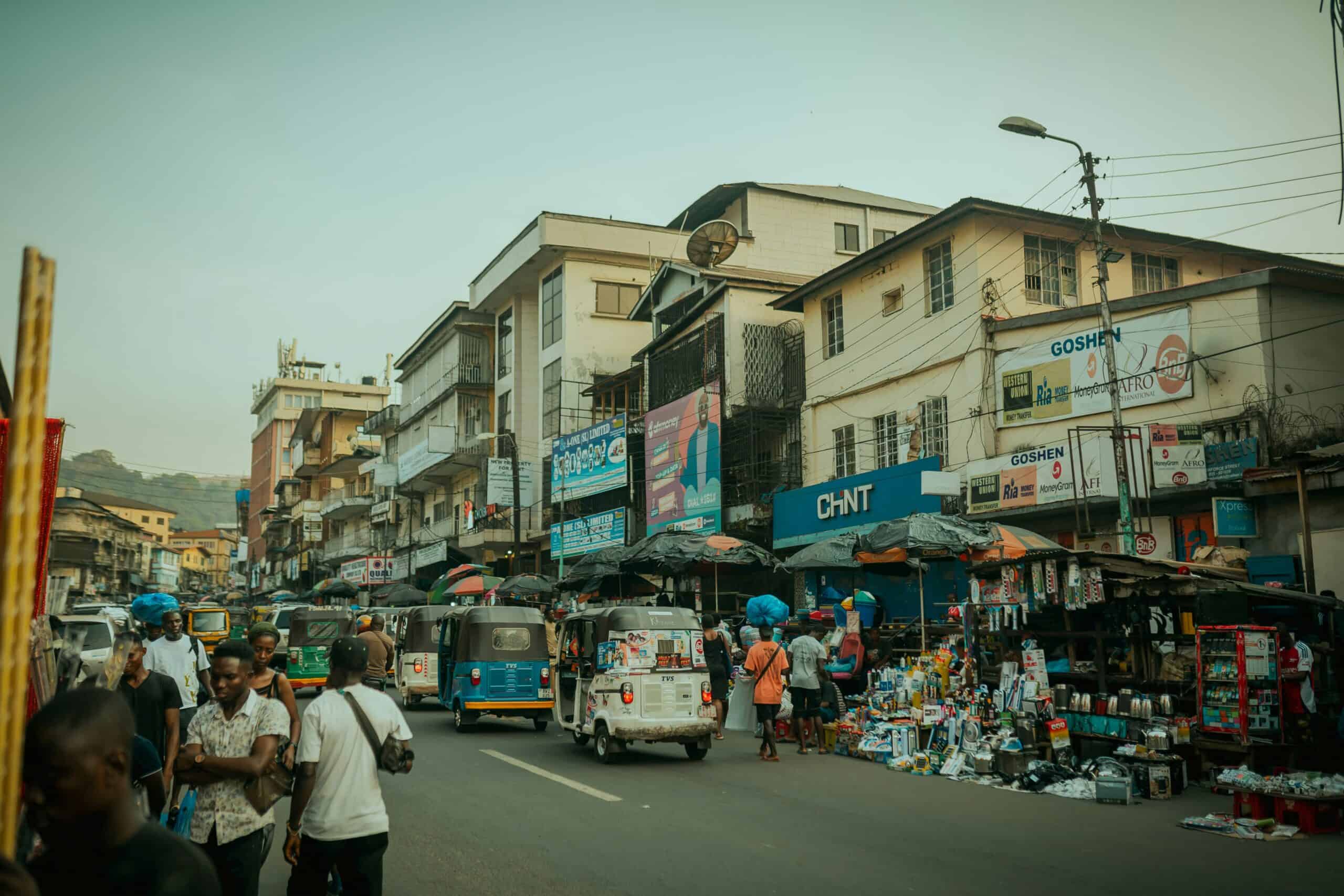
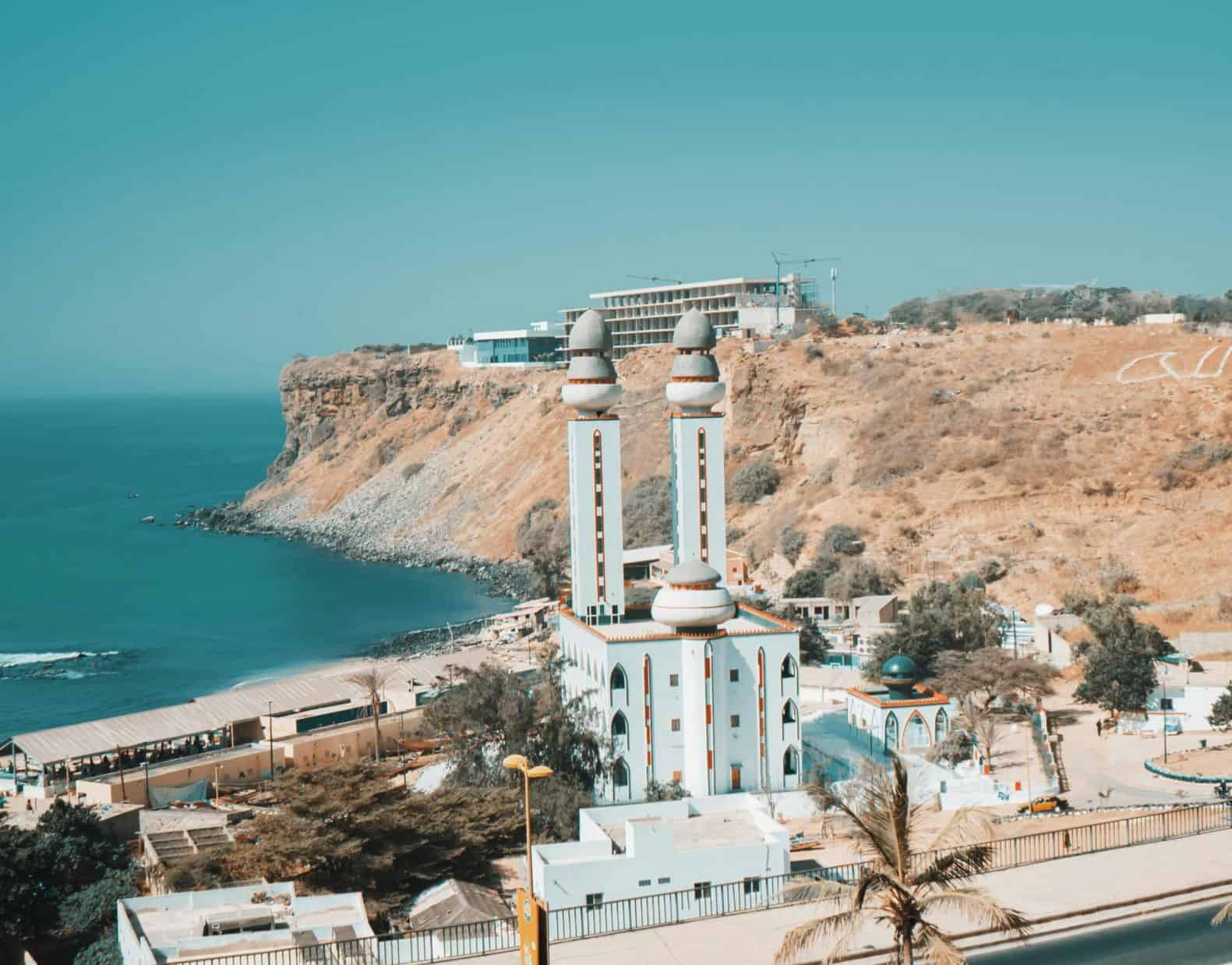
The day starts in Banjul’s markets, where everything feels close and active, before shifting back into transit. Crossing the river by ferry and driving up the coast brings you to Dakar by evening.
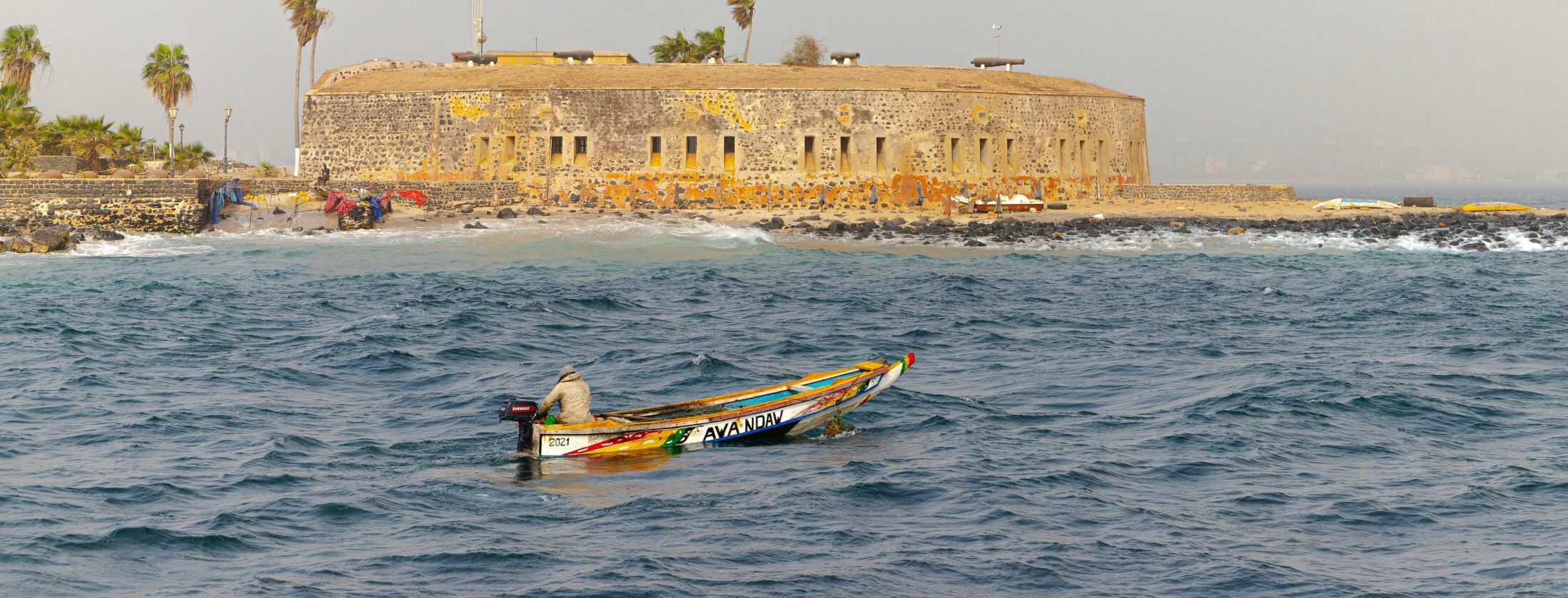
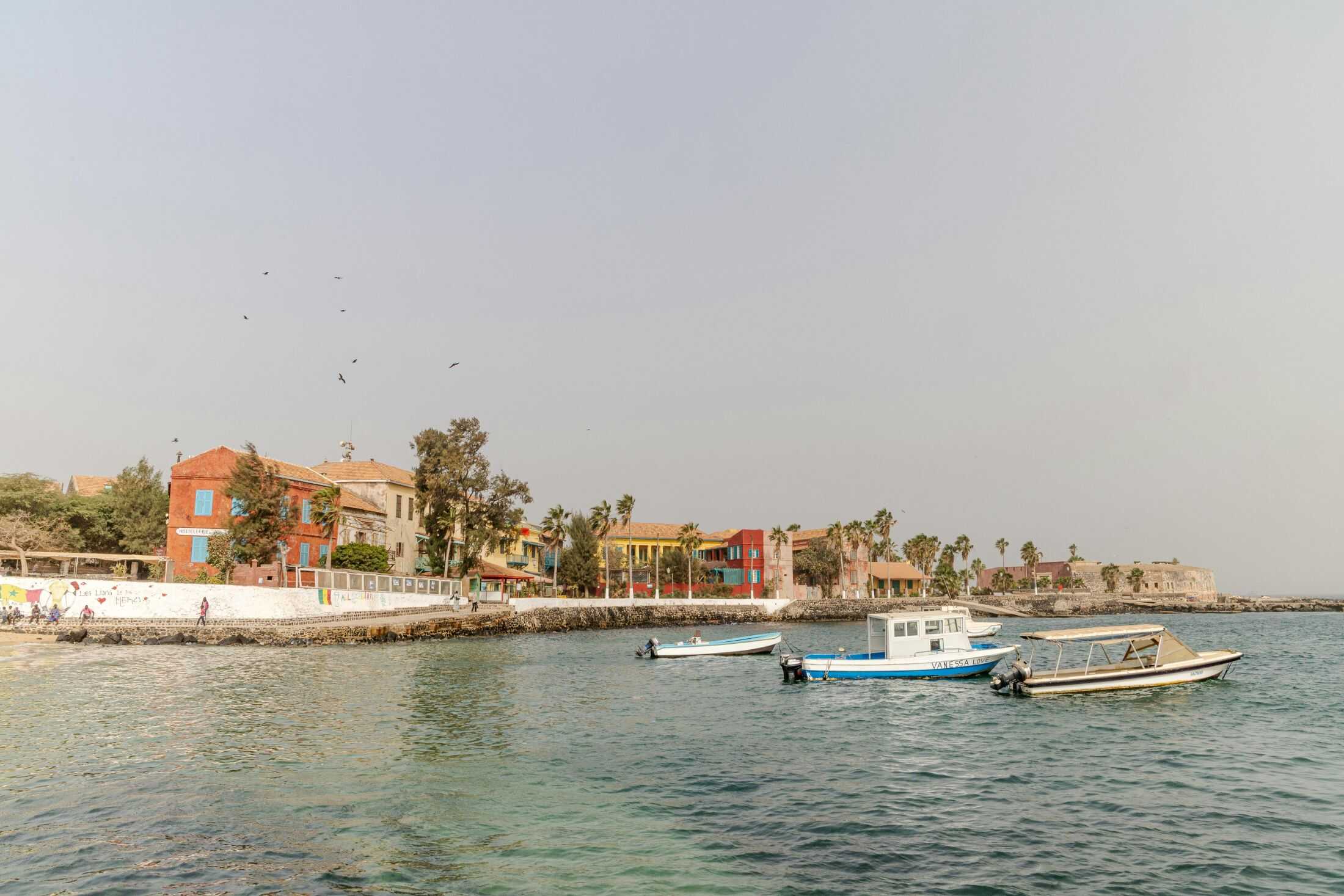
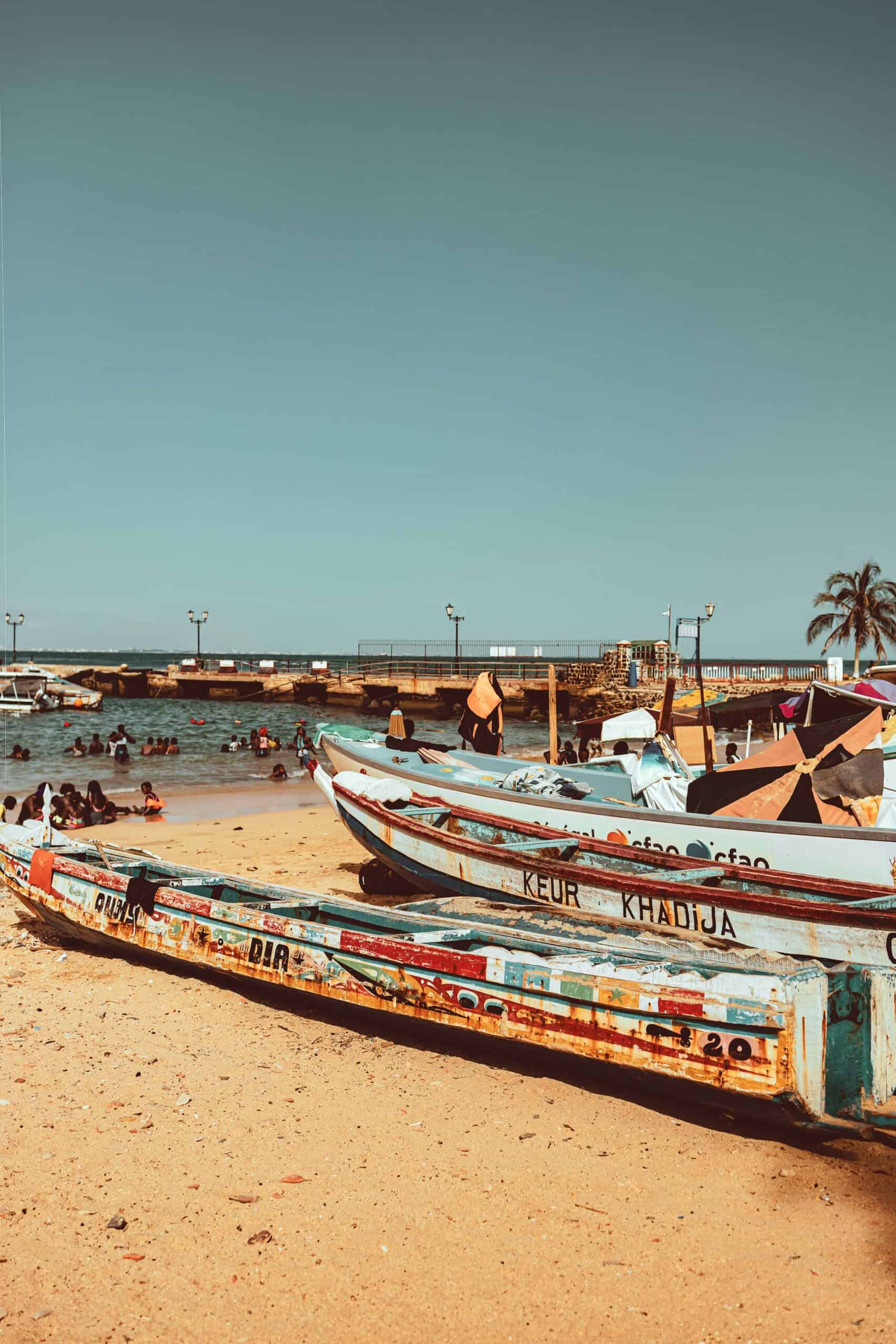
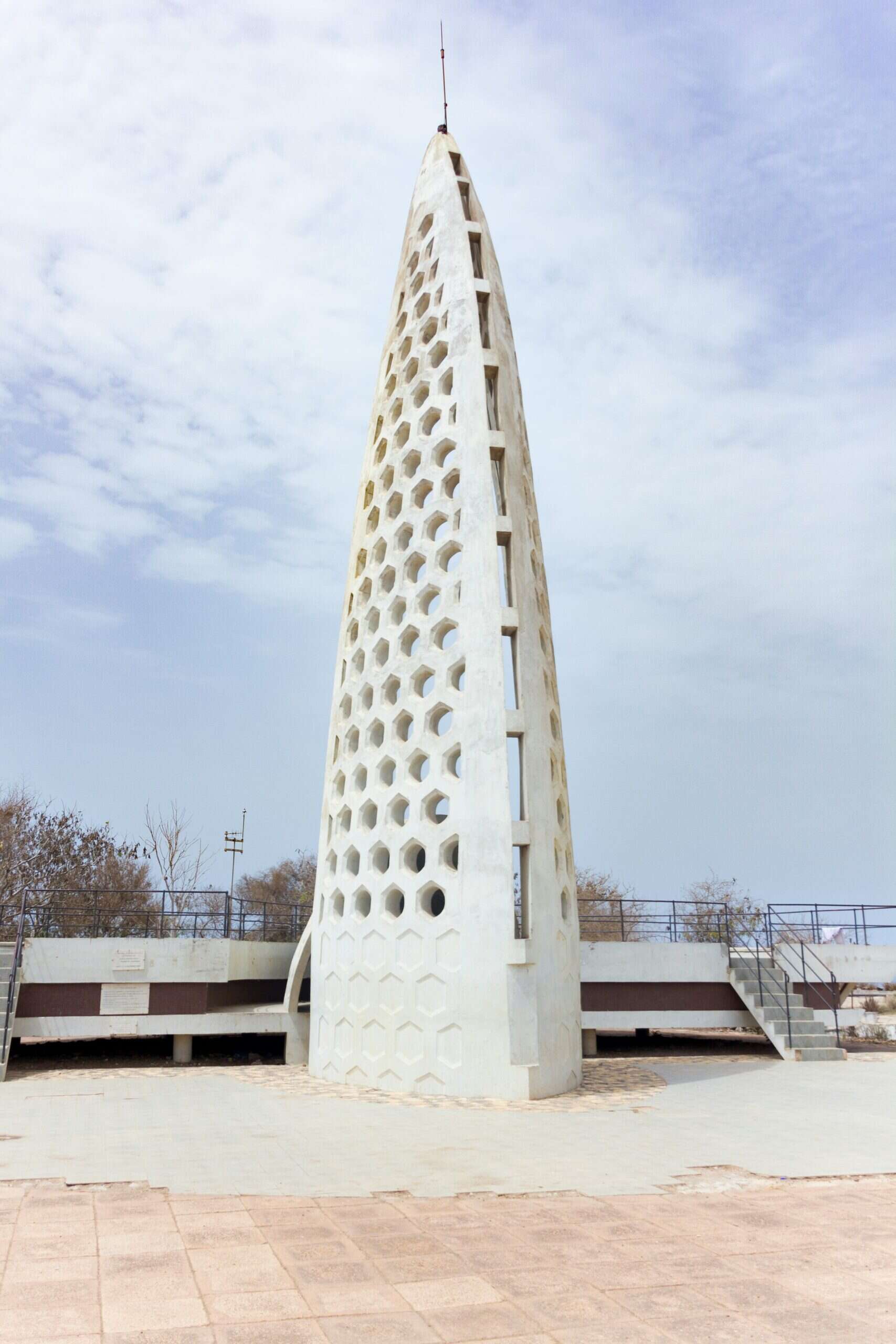
A short boat ride takes you to Gorée Island, where the pace drops completely. Walking through the Slave House and the narrow streets gives a direct sense of the history tied to this place.
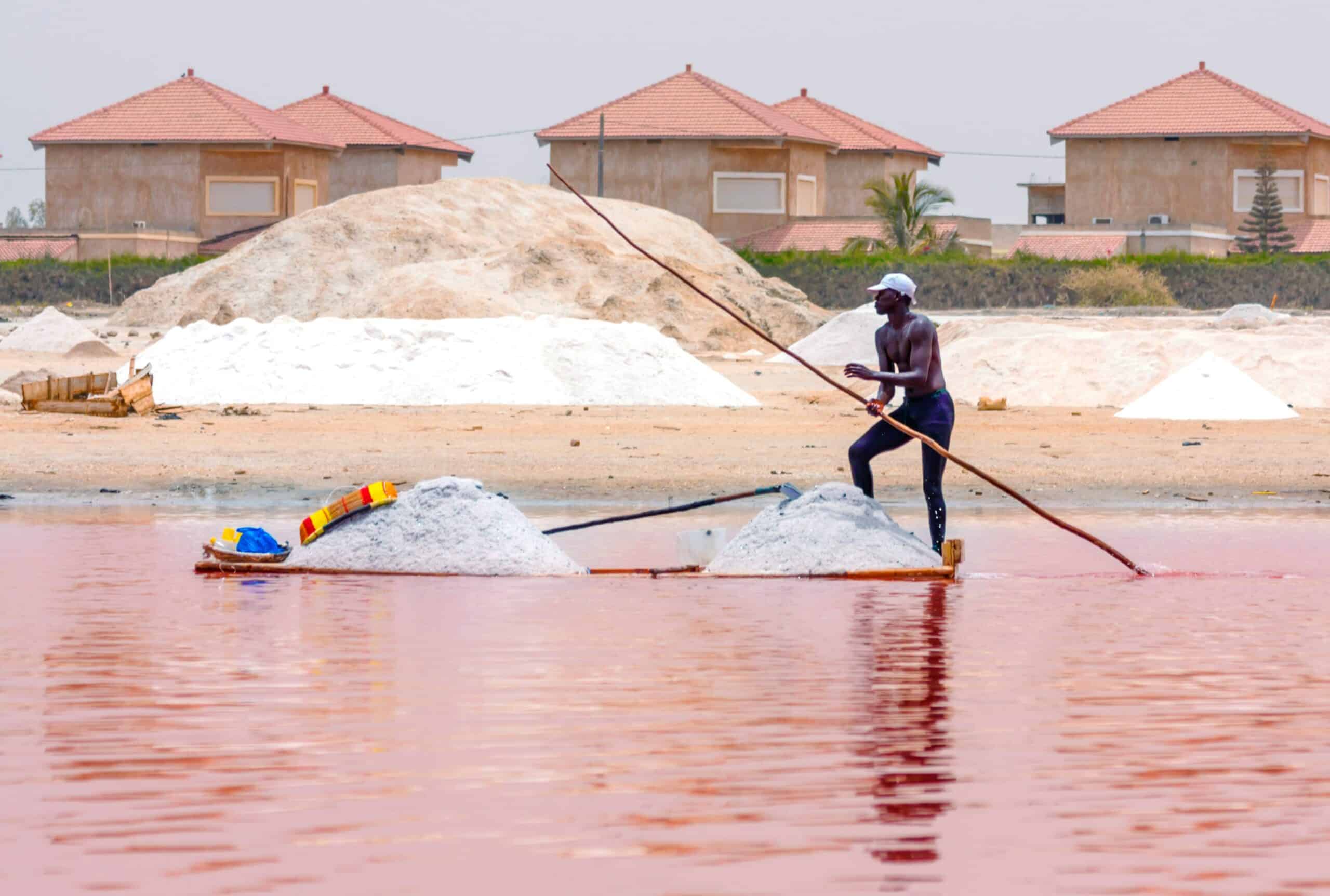
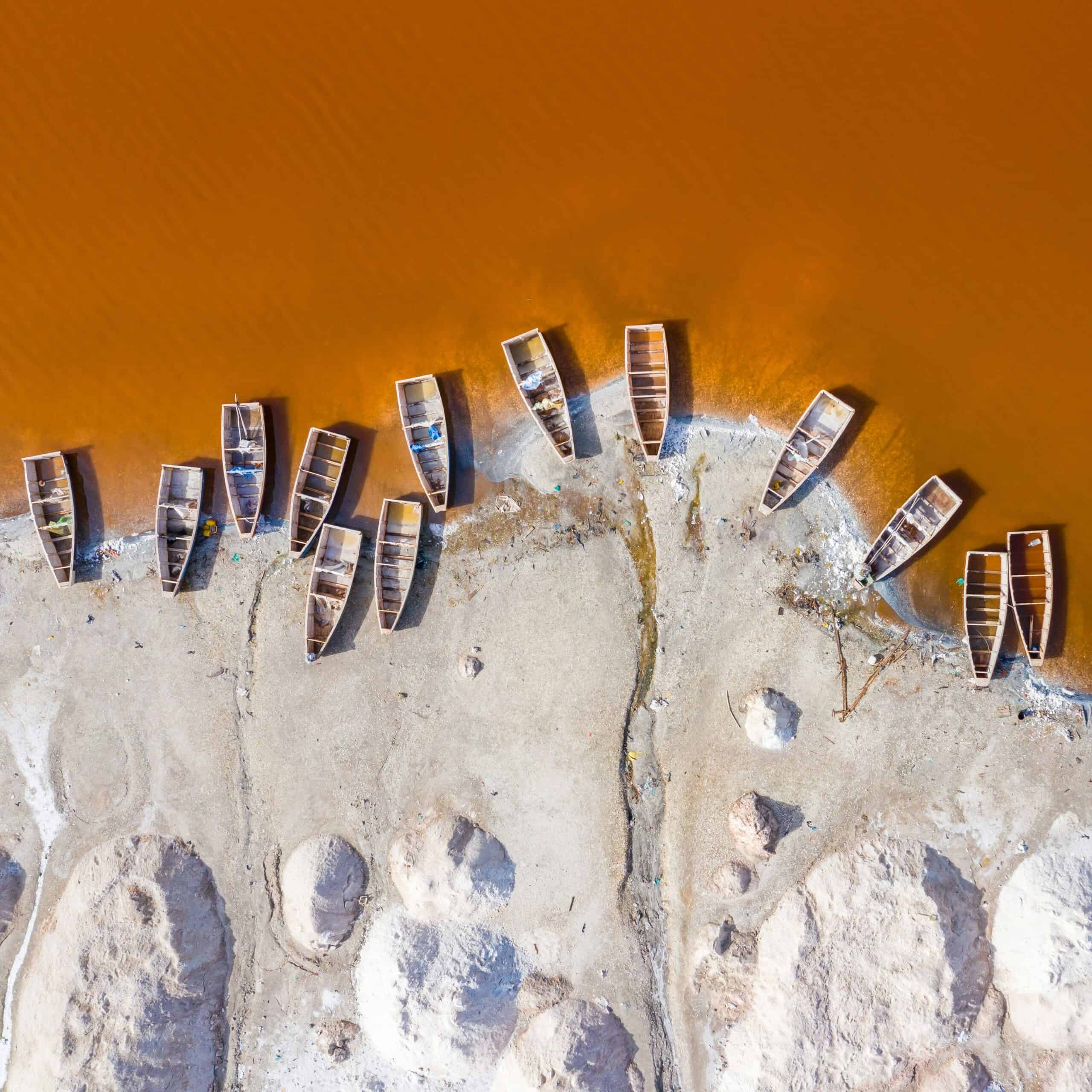
A few hours outside Dakar, Pink Lake shifts the landscape into something flatter and quieter, shaped by salt rather than surf. The visit keeps the daylight before returning to the city for your final night in Dakar.
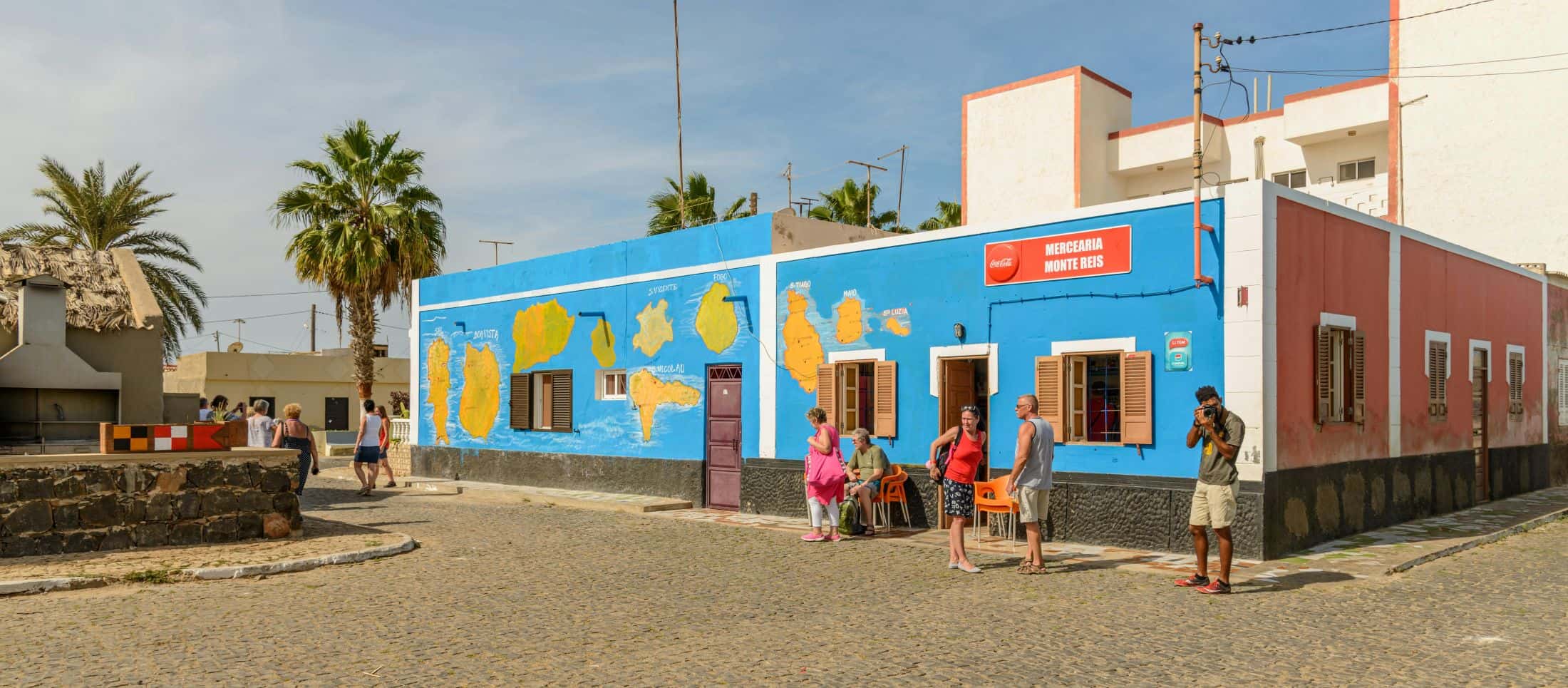
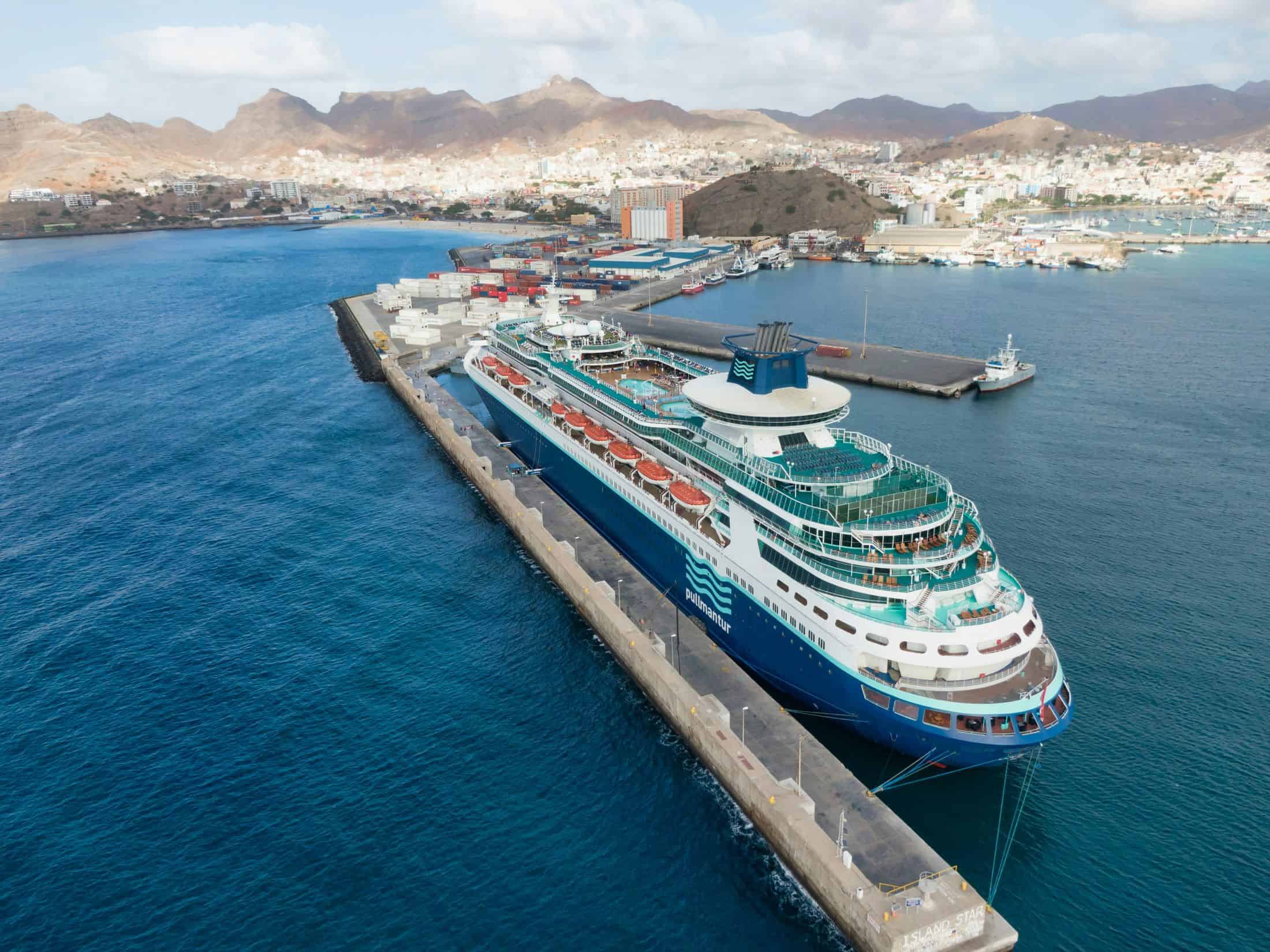
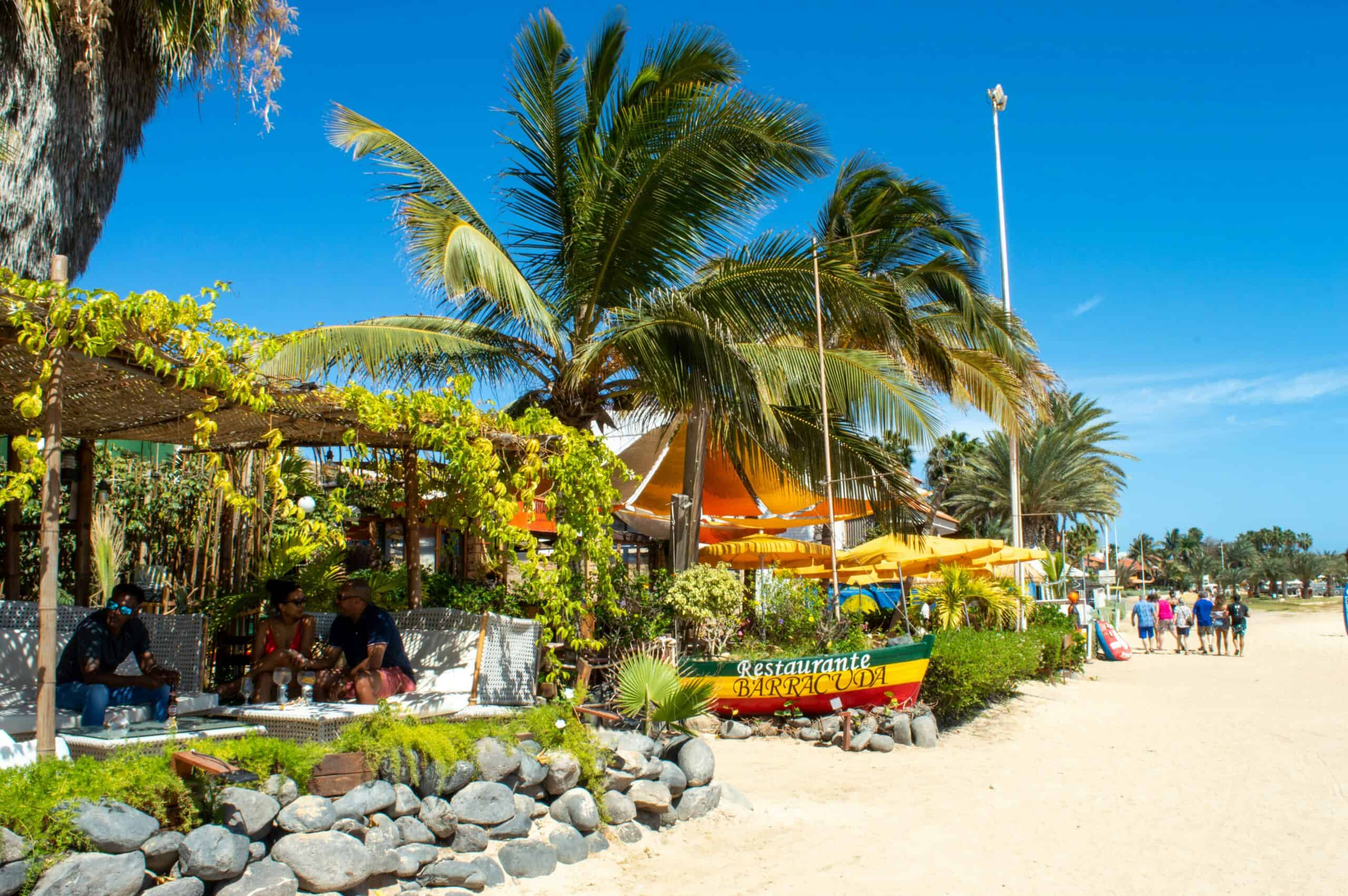
A short flight pulls you off the mainland entirely. Praia feels different, with immediately drier air, volcanic ground, and a distinct Afro-Portuguese influence.
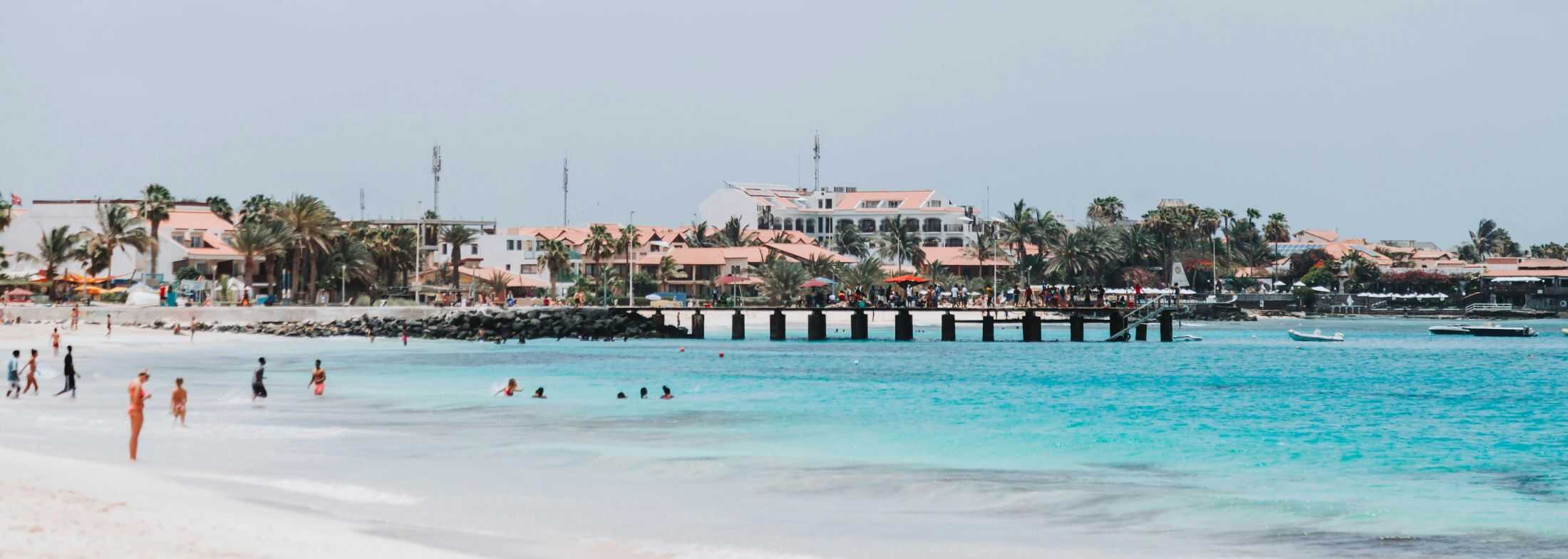
The day opens up around Praia’s coastline, with smaller beaches and local spots that don’t feel overbuilt. Time moves more slowly here, with the hotel acting as a comfortable base for the day.
Heading into the island’s interior, the terrain shifts into dry, volcanic ground with scattered communities shaped by the environment. It’s a different kind of movement, more open, less dense.
The last full day stays light time by the coast, good food, and a chance to fully settle into the island setting before departure.
Departure day. Transfers to the airport and flights home.
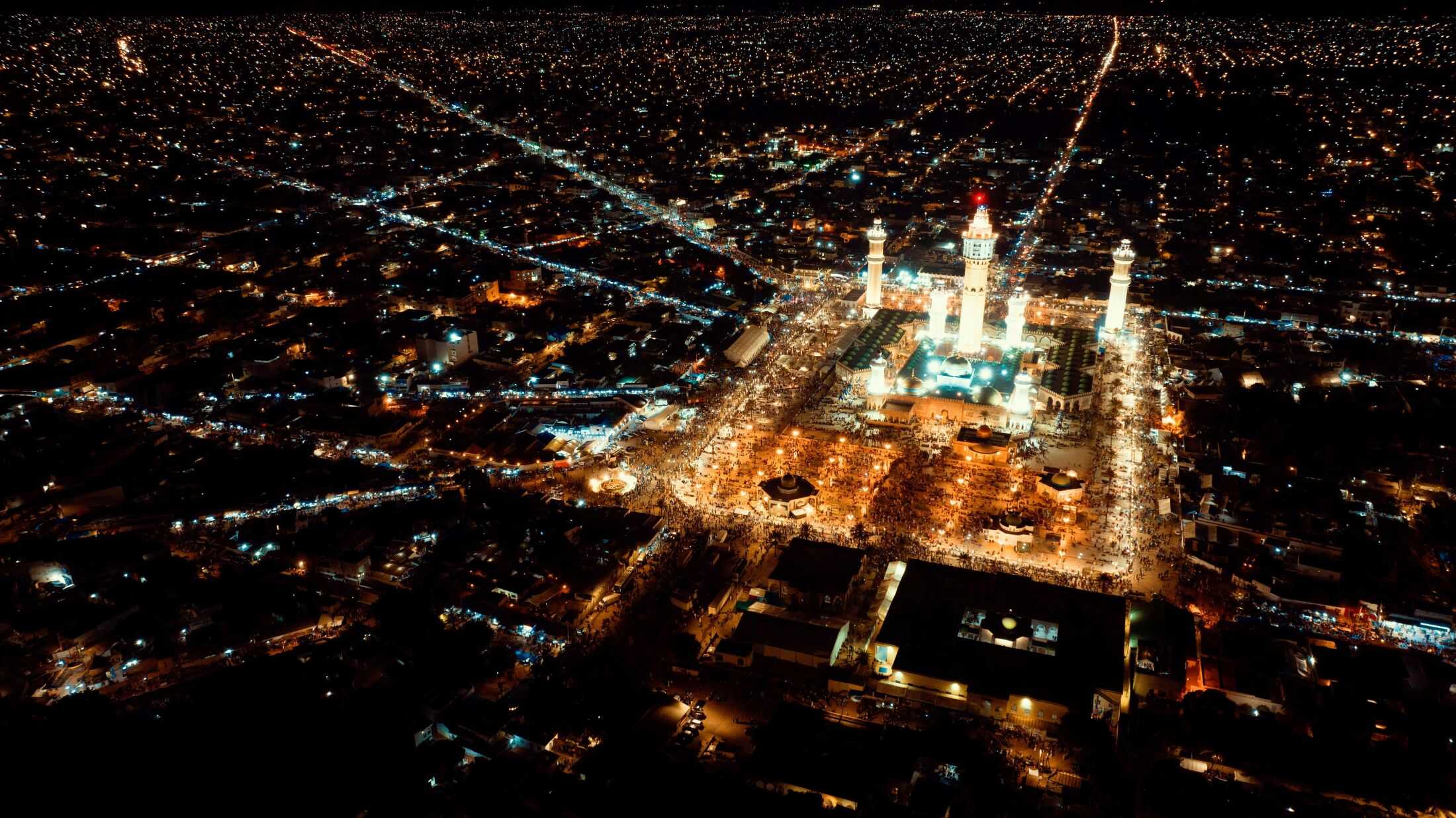
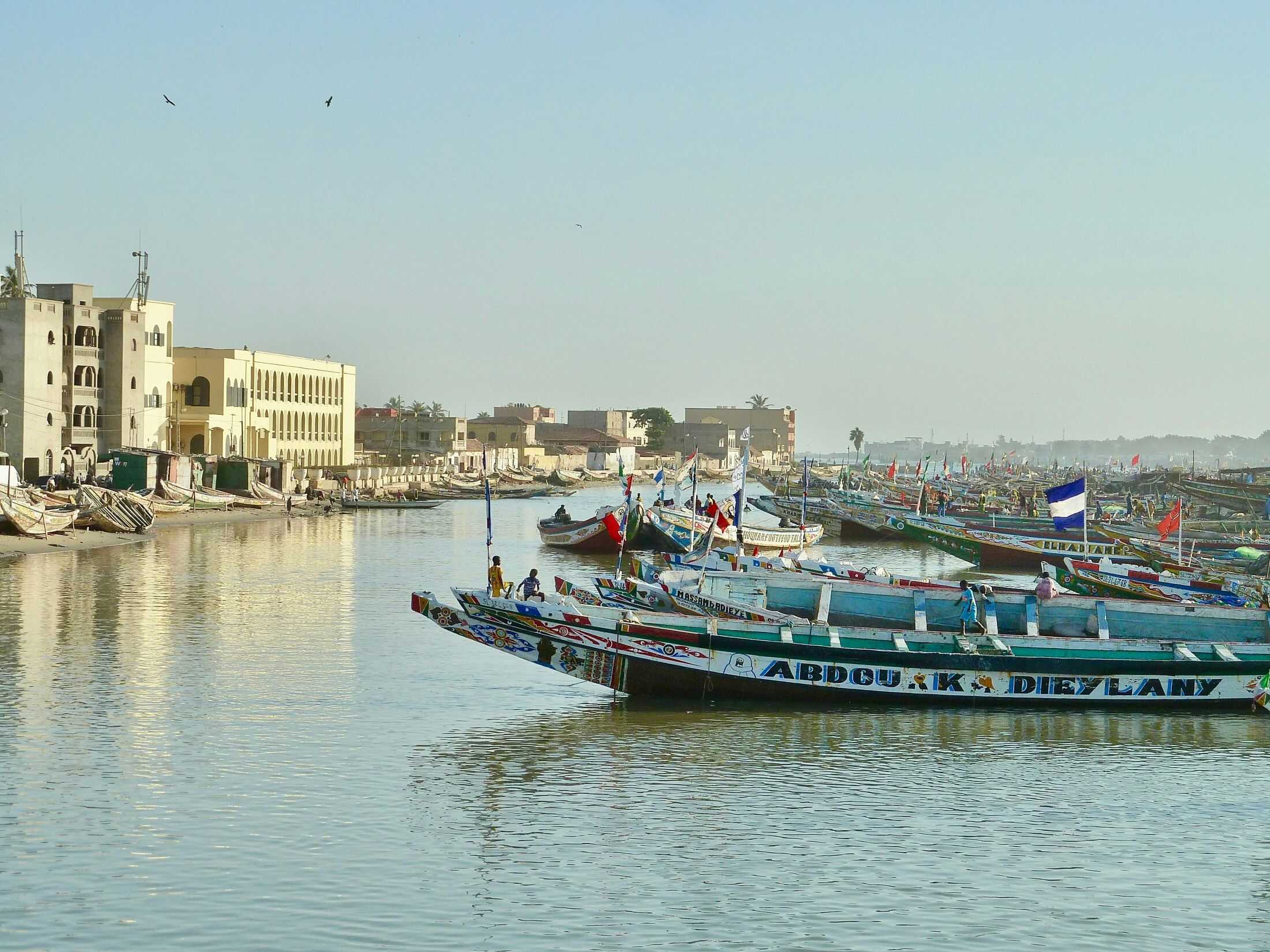
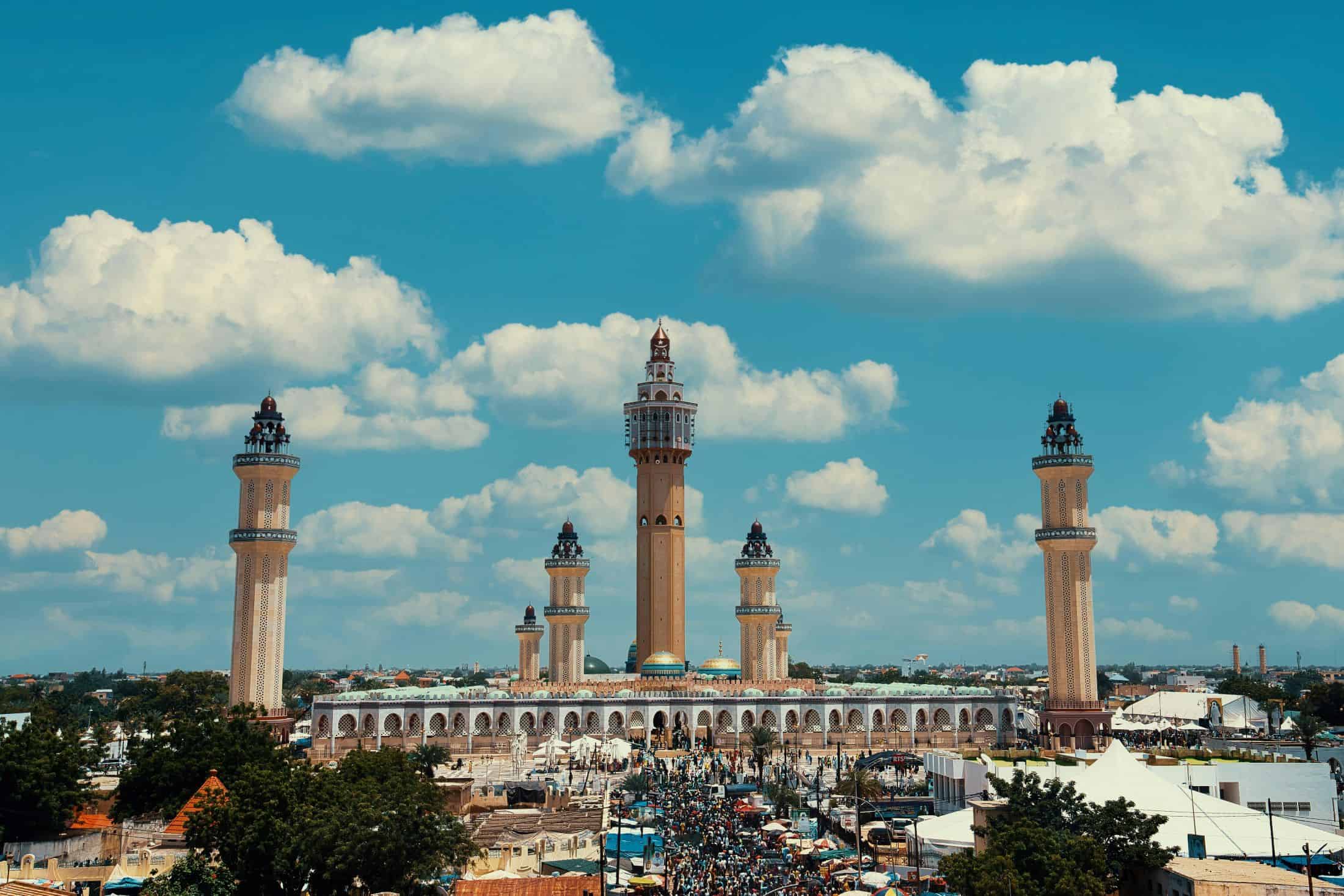
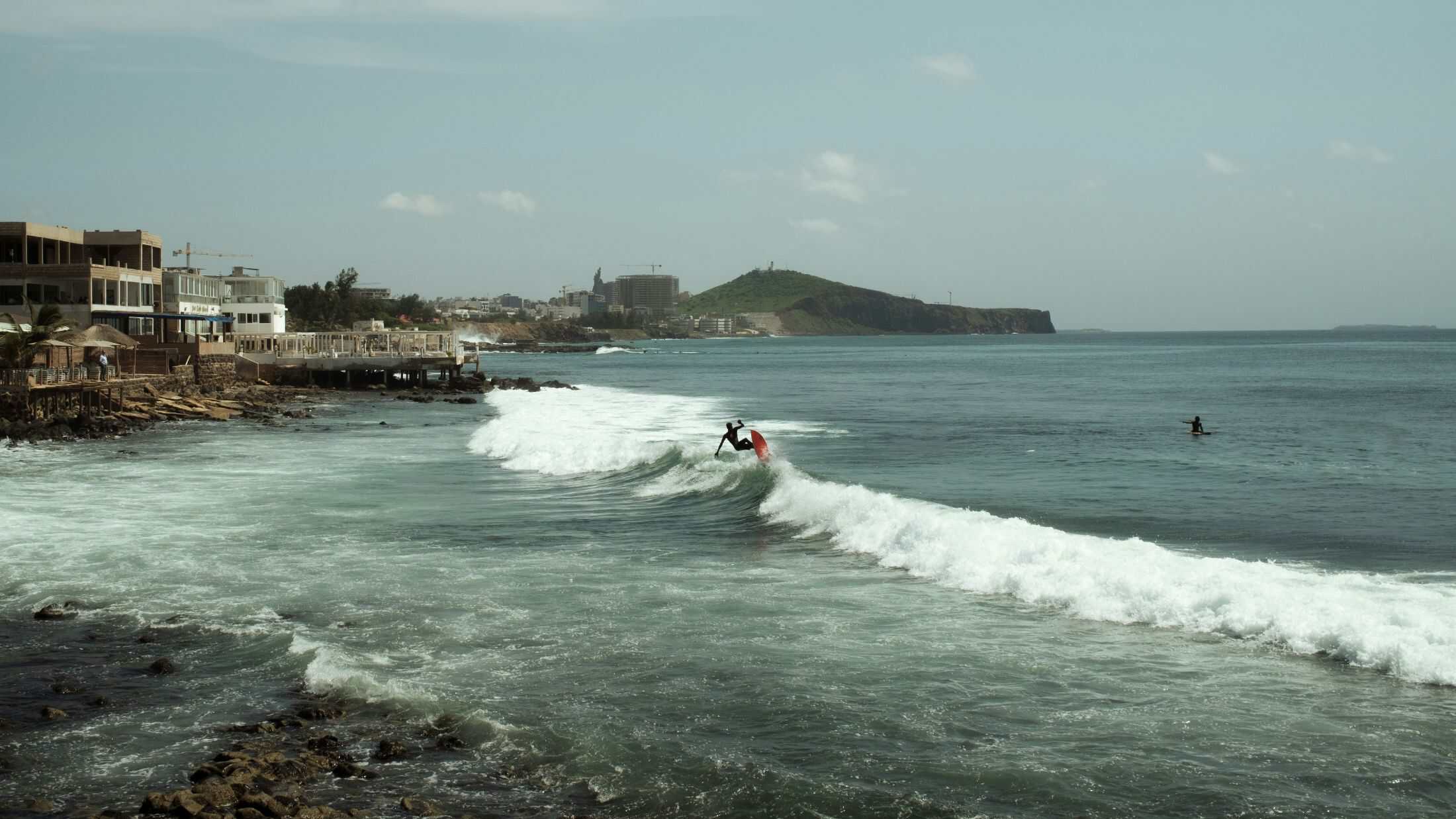
Visa requirements vary by nationality, Guinea-Bissau typically requires a visa in advance and can be gotten online through their official embassy website link, Senegal and The Gambia are visa-free for many travelers, and Cabo Verde requires pre-arrival registration whihc can be done through their official US Embassy website.
Yes, it’s required. This route involves multiple countries and overland travel, so coverage should include medical, evacuation, and trip interruption.
You can arrange this through our trusted partner Allianz , and you will get Preferred Member Rates
Coverage varies across countries—major cities are reliable, but signals can drop in rural areas and during transit. We recommend setting up your connectivity before travel; you can use our partner links to save up to $60 on Google WiFi and Use Code: C36FUE at checkout or get a free month with Starlink for more remote coverage
Moderate. Expect long travel days, walking tours, and time in warm, humid conditions. No extreme physical activity is required.
Several days involve 4–5 hours of travel, especially between Bissau, Casamance, The Gambia, and Dakar.
Main roads are generally manageable, but expect some uneven stretches, especially near borders and rural areas.
You’ll stay in the best available hotels in each location, selected for comfort, location, and consistency across the route.
The regional flight from Dakar to Praia is included. International flights are not.
A mix of local West African cuisine and international options. Coastal areas offer fresh seafood, while hotels provide familiar choices.
Yes, with proper planning and local guidance. The route follows commonly traveled areas, but standard travel awareness is important.
Light clothing for heat, comfortable walking shoes, sun protection, and travel essentials for border crossings.
From $3000 / Person
From $3000 / Person
From $3000 / Person
From $3500 / Person
From $3000 / Person
From $3000 / Person
Explore other journeys available in this destination, each offering a distinct way to experience the country’s landscapes, culture, and everyday life.
