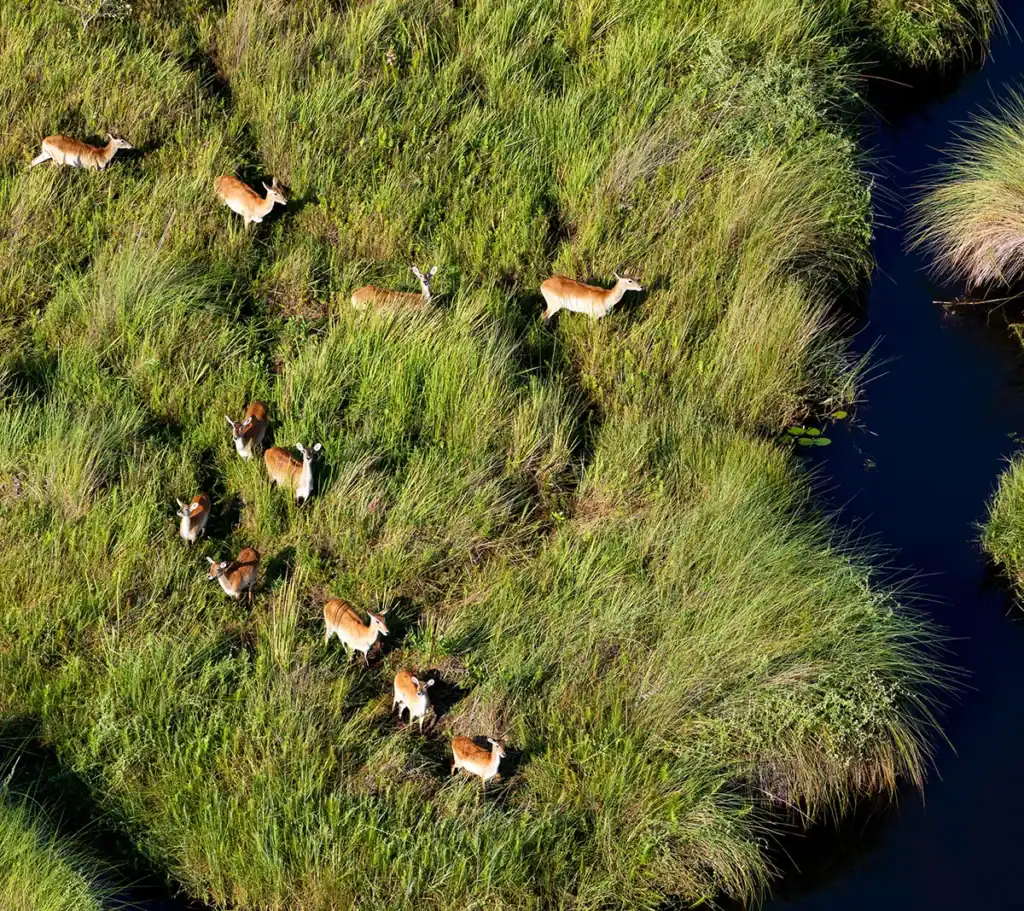
Discover Botswana, a land of extraordinary natural beauty, warm hospitality, and unmatched wildlife encounters. From the lush, wildlife-rich Okavango Delta to the rugged expanse of the Kalahari Desert and the elephant-filled plains of Chobe National Park, the country offers breathtaking landscapes and unforgettable adventures.
After days spent exploring, relax in serene lodges and camps that blend luxury with the soothing sounds of the wild. Experience why Botswana is celebrated as the Land of Wilderness and Wonder.
WHAT YOU NEED TO KNOW
Botswana at a glance
Botswana is one of Africa’s most remarkable safari destinations, celebrated for its pristine wilderness, rich cultural heritage, and exceptional wildlife experiences.
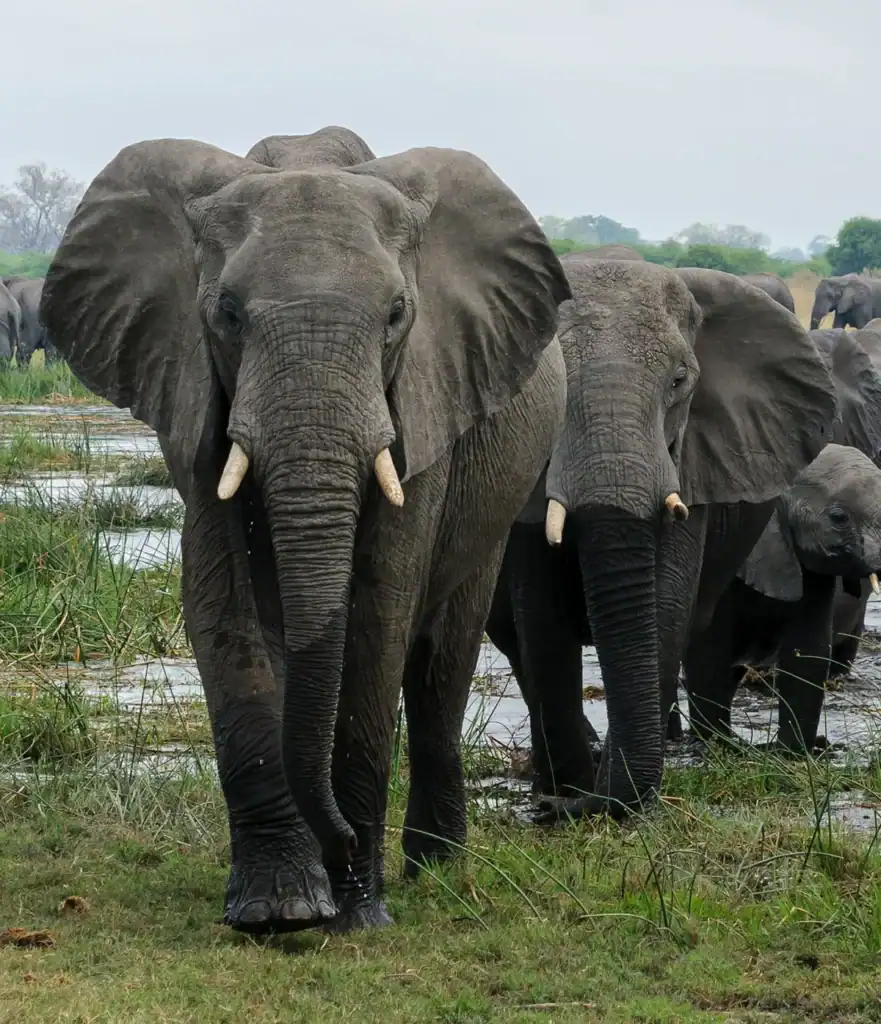
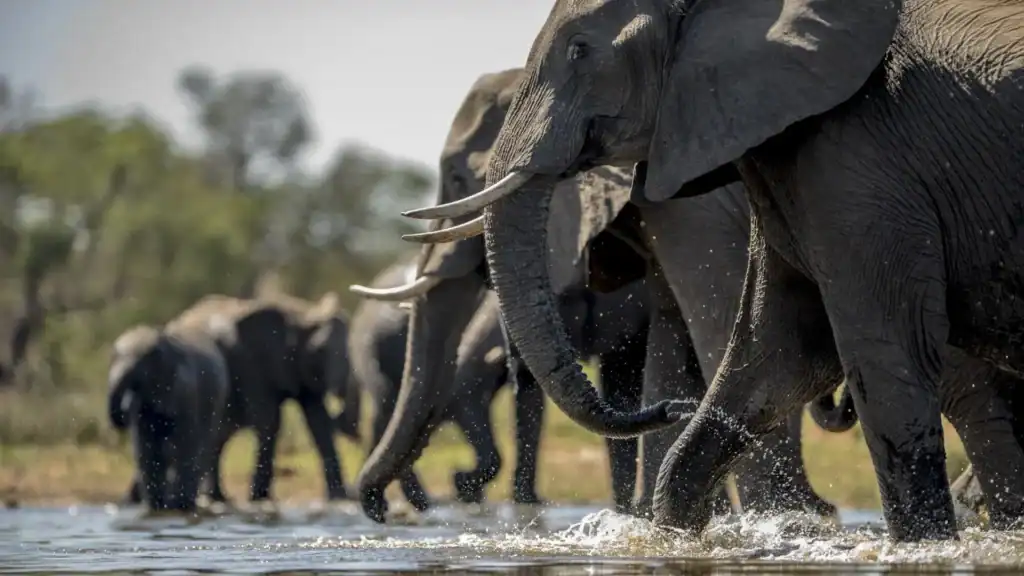
From the world-famous Okavango Delta to the elephant-filled plains of Chobe, the country offers vast, untouched landscapes that remain some of the continent’s last true wild frontiers.
Botswana Key Facts
Botswana is one of Africa’s most remarkable safari destinations, celebrated for its pristine wilderness, rich cultural heritage, and exceptional wildlife experiences.
From the world-famous Okavango Delta to the elephant-filled plains of Chobe, the country offers vast, untouched landscapes that remain some of the continent’s last true wild frontiers.
Capital City
Gaborone
Population
2.5 Million
Currency
Botswana Pula (BWP)
Geographical Size
581,000 km²
Best Time To Travel
May to October (Dry Season)
Language
English / Setswana
Travel Requirements For Botswana
Botswana is one of Africa’s most remarkable safari destinations, celebrated for its pristine wilderness, rich cultural heritage, and exceptional wildlife experiences.
From the world-famous Okavango Delta to the elephant-filled plains of Chobe, the country offers vast, untouched landscapes that remain some of the continent’s last true wild frontiers.
Your passport must be valid for at least 6 months beyond your date of entry.
You must have at least 2–3 blank pages for entry and exit stamps.
Yellow Fever Certificate is required only if you are arriving from or transiting through a Yellow Fever risk country.
No mandatory vaccines for travelers coming directly from non–risk countries.
Recommended (not mandatory):
Hepatitis A & B
Tetanus, Polio, Diphtheria
Typhoid (for rural areas)
Malaria precaution is advised in northern regions (Chobe, Okavango Delta, Moremi):
Consult your doctor for malaria prophylaxis
Use insect repellent & wear long sleeves in the evenings
Citizens of many countries (including most Commonwealth and EU nations) do not need a visa for stays up to 90 days.
Travelers from visa-required countries must apply before arrival.
Visa exemptions vary: always check your nationality’s specific requirements.
Passport must match entry documents (flight bookings, accommodation, etc.).
You must declare all goods acquired outside Botswana upon entry.
Restricted or controlled items:
Firearms and ammunition require prior permits.
Meat, dairy, plants, and animal products may be restricted based on veterinary regulations.
Large cash amounts must be declared.
Duty-free allowances typically include:
Limited quantities of alcohol, tobacco, perfumes, and personal goods.
Importing animals, boats, or scientific equipment may require additional permits.
Weather in Botswana
Botswana is one of Africa’s most remarkable safari destinations, celebrated for its pristine wilderness, rich cultural heritage, and exceptional wildlife experiences.
From the world-famous Okavango Delta to the elephant-filled plains of Chobe, the country offers vast, untouched landscapes that remain some of the continent’s last true wild frontiers.
May - October
November - April
What To Wear in Botswana
Botswana is one of Africa’s most remarkable safari destinations, celebrated for its pristine wilderness, rich cultural heritage, and exceptional wildlife experiences.
From the world-famous Okavango Delta to the elephant-filled plains of Chobe, the country offers vast, untouched landscapes that remain some of the continent’s last true wild frontiers.
Opt for cotton, linen, or quick-dry materials to stay cool and comfortable in the warm climate.
Khaki, beige, brown, olive green, and other earth tones blend well with the natural surroundings, making it easier to observe wildlife without disturbing them. Avoid bright colors or white, as these can attract insects.
Protect yourself from the sun, insects, and thorny vegetation by wearing long-sleeved shirts and pants, especially during early morning and evening game drives.
A wide-brimmed hat and sunglasses are essential for shielding your face and eyes from the intense African sun.
Choose sturdy, closed-toe shoes or boots for walking safaris and exploring the bush. Sandals or flip-flops are suitable for relaxing at the lodge or camp.
Evenings and early mornings can be chilly, particularly during the winter months (May to September). Bring a fleece jacket or sweater for warmth.
If your lodge or camp has a pool, pack a swimsuit to enjoy a refreshing dip.
During the rainy season (October to April), a lightweight waterproof jacket or poncho will come in handy.