The Dual-Island Energy

Trinidad and Tobago

Explore Trinidad and Tobago

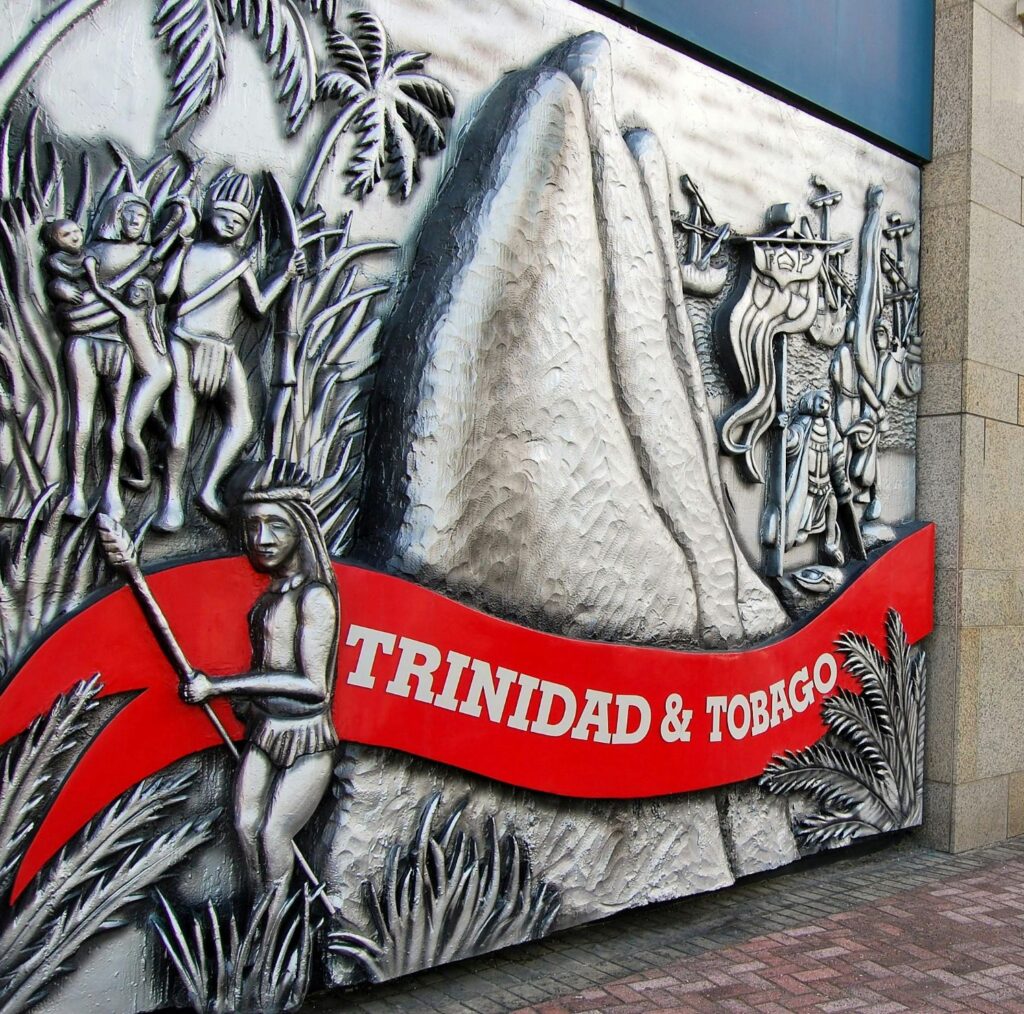
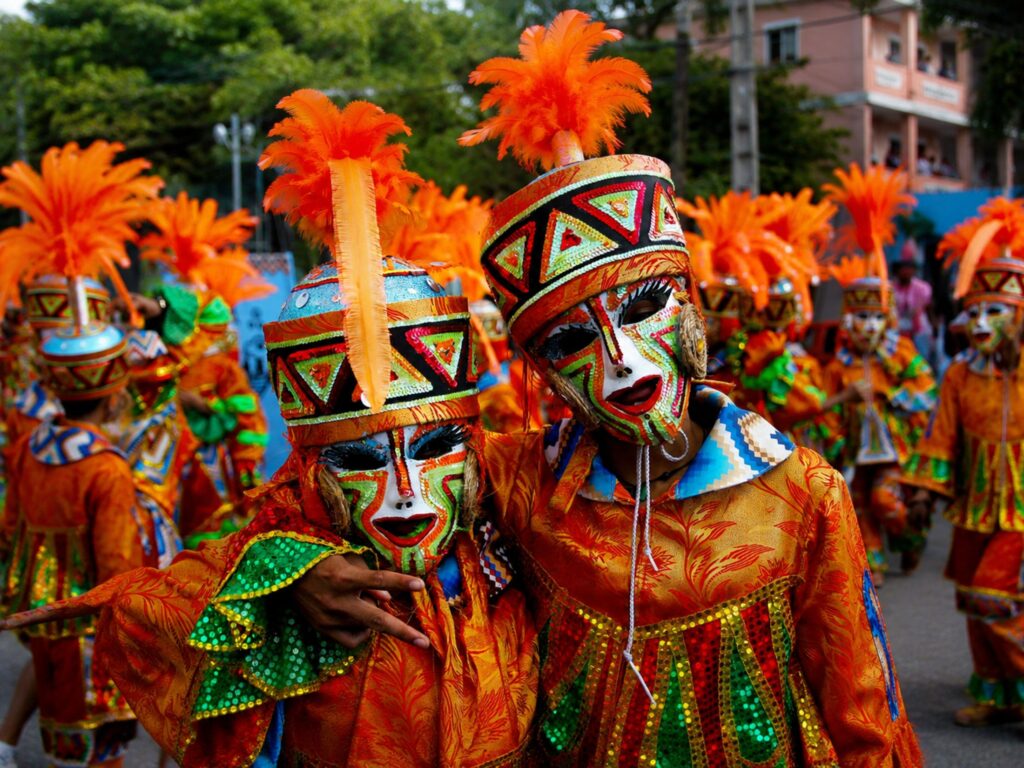
Two islands anchored to the southern edge of the Caribbean, Trinidad and Tobago, present a sharp study in contrast, moving from high-voltage urban movement to absolute coastal calm. Trinidad acts as the industrial and cultural engine, its streets heavily shaped by the historic legacy of oil wealth, East Indian and African heritage, and a legendary carnival culture. Tobago presents a different reality altogether, a slow-paced sanctuary of remote fishing villages and ancient protected rainforest slopes dipping down to clear coral bays. Daily life across both islands carries a direct, self-assured ease that encourages visitors to slow down, block out the resort crowds, and appreciate the intense local flavors.

WHAT YOU NEED TO KNOW

Trinidad and Tobago at a glance

Piarco International Airport on Trinidad serves as the primary international gateway, while ANR Robinson International Airport handles arrivals on Tobago, with a regular inter-island ferry connecting the two. Port of Spain holds the administrative and cultural weight, featuring historic colonial architecture, the green expanse of the Queen’s Park Savannah, and a massive street food culture centered on night markets serving hot doubles. Heading northeast opens up the dramatic Northern Range mountains and the surfing bays of Maracas, while a short hop over to Tobago reveals the quiet sand stretches of Pigeon Point and the old-growth forests of the Main Ridge.

Trinidad and Tobago Key Facts

Navigating between the two islands requires booking regional flights or ferry tickets well in advance, especially during major holiday periods. Renting a car offers the greatest flexibility, though mountain driving requires careful attention due to steep drop-offs and driving on the left side of the road. English is the official language, though the daily flow of communication is dictated by a rhythmic local English Creole that shapes every interaction. Cash, specifically Trinidad and Tobago dollars, is highly useful for street food vendors, local taxis, and beachside bars, though major credit cards are standard across modern urban businesses.

Port of Spain
1.5 Million
Trinidad and Tobago Dollar (TTD)
5,128 km² (Trinidad: 4,768 km² / Tobago: 300 km²)
January through May (Dry Season)
English / Trinidadian & Tobagonian Creole

Travel Requirements For Trinidad and Tobago

Navigating between the two islands requires booking regional flights or ferry tickets well in advance, especially during major holiday periods. Renting a car offers the greatest flexibility, though mountain driving requires careful attention due to steep drop-offs and driving on the left side of the road. English is the official language, though the daily flow of communication is dictated by a rhythmic local English Creole that shapes every interaction. Cash, specifically Trinidad and Tobago dollars, is highly useful for street food vendors, local taxis, and beachside bars, though major credit cards are standard across modern urban businesses.

Weather in Trinidad and Tobago

Navigating between the two islands requires booking regional flights or ferry tickets well in advance, especially during major holiday periods. Renting a car offers the greatest flexibility, though mountain driving requires careful attention due to steep drop-offs and driving on the left side of the road. English is the official language, though the daily flow of communication is dictated by a rhythmic local English Creole that shapes every interaction. Cash, specifically Trinidad and Tobago dollars, is highly useful for street food vendors, local taxis, and beachside bars, though major credit cards are standard across modern urban businesses.

What To Wear in Trinidad and Tobago

Navigating between the two islands requires booking regional flights or ferry tickets well in advance, especially during major holiday periods. Renting a car offers the greatest flexibility, though mountain driving requires careful attention due to steep drop-offs and driving on the left side of the road. English is the official language, though the daily flow of communication is dictated by a rhythmic local English Creole that shapes every interaction. Cash, specifically Trinidad and Tobago dollars, is highly useful for street food vendors, local taxis, and beachside bars, though major credit cards are standard across modern urban businesses.

Loading...