The Culinary Capital of the Caribbean

Barbados

Explore Barbados

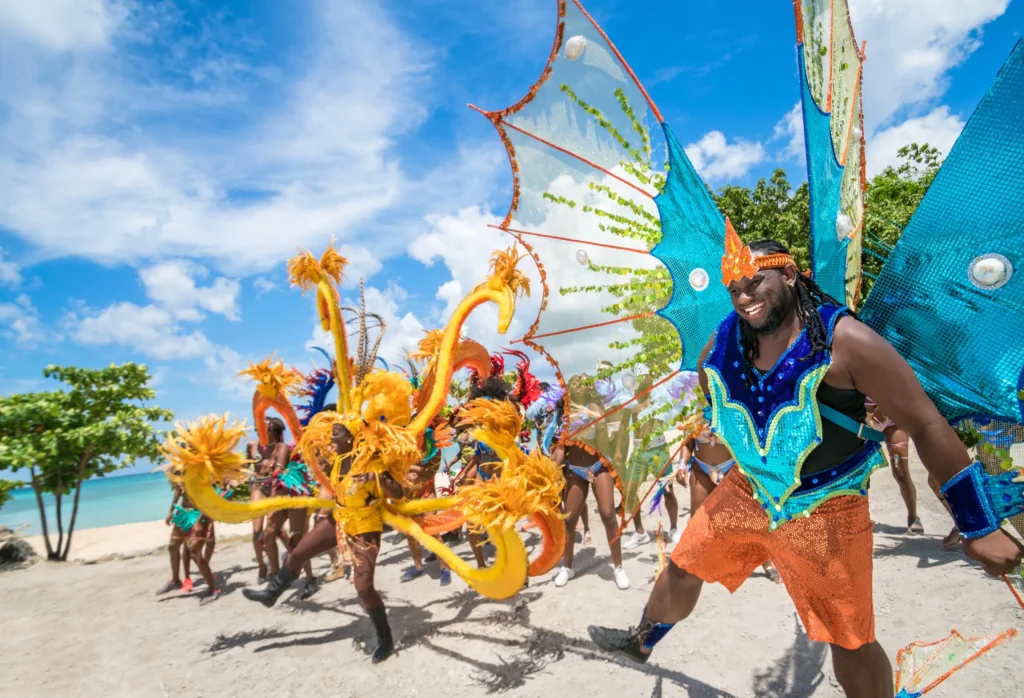
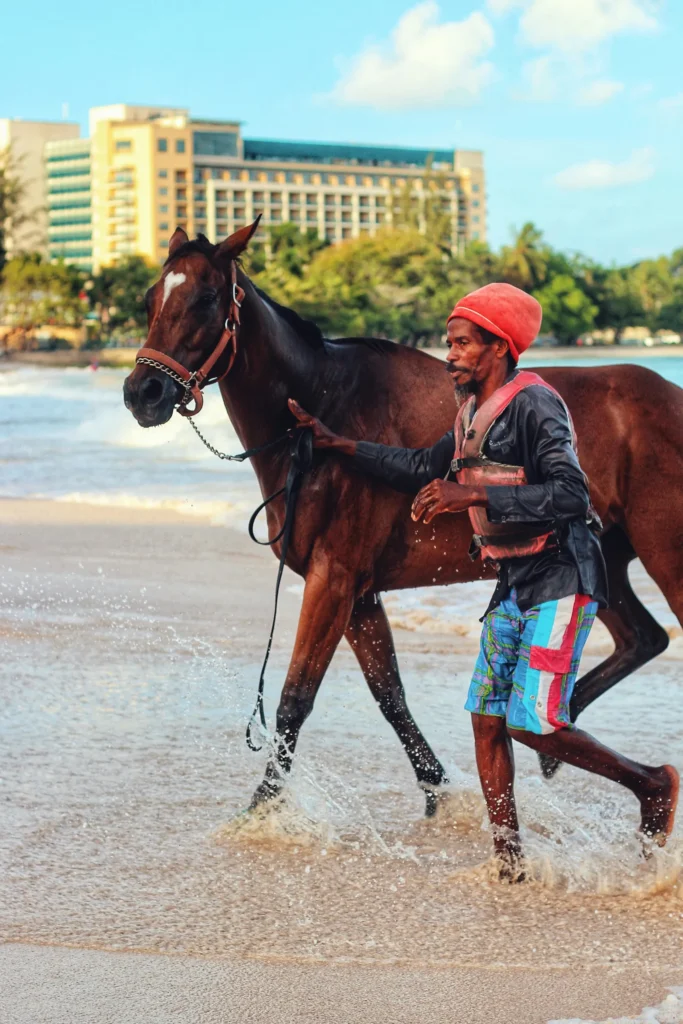
An island that pairs a historic plantation interior with a sophisticated, world-class coastline, Barbados carries a distinct blend of West African heritage and British colonial legacy. The heavy thumping of tuk bands and the scent of frying fish cutter sandwiches anchor the weekend energy at Oistins, standing in contrast to the quiet, wind-whipped Atlantic cliffs of the East Coast.

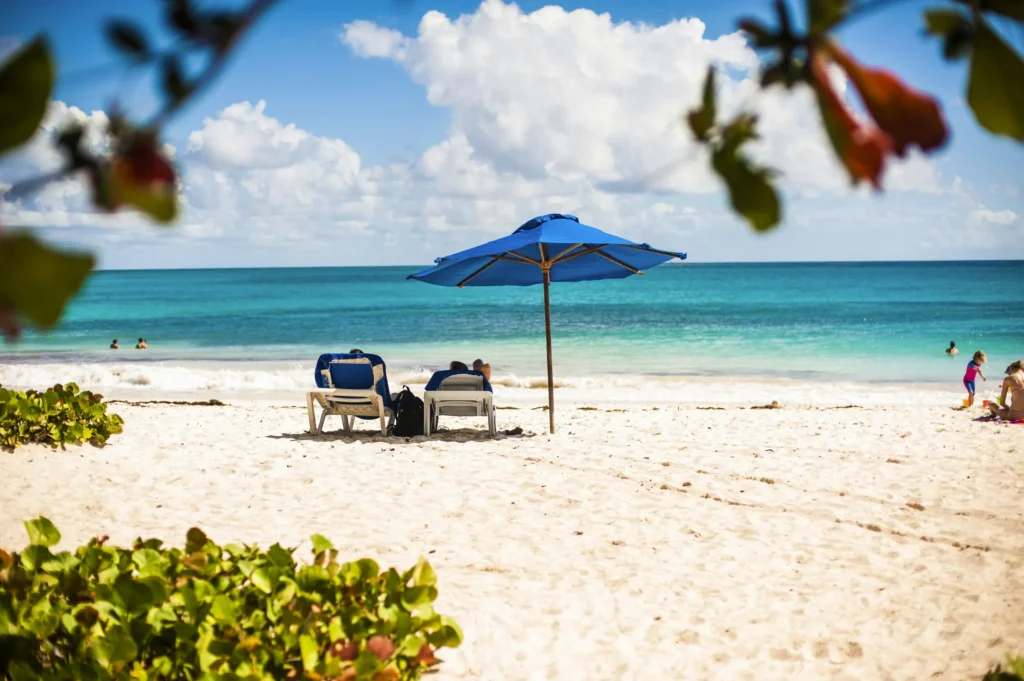
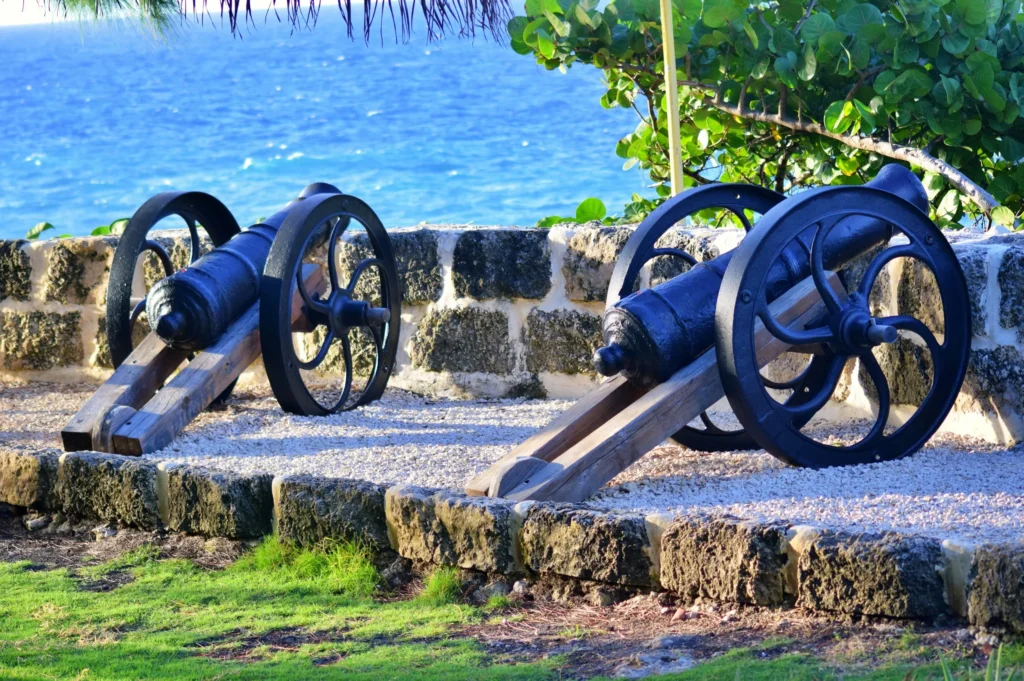
Away from the white-sand beaches of the west lies a complex limestone core holding deep cavern networks, historical botanical gardens, and centuries-old rum distilleries. Everyday life moves with an easy, self-assured confidence that invites people to pull up a wooden stool at a local rum shop and talk cricket.
WHAT YOU NEED TO KNOW

Barbados at a glance

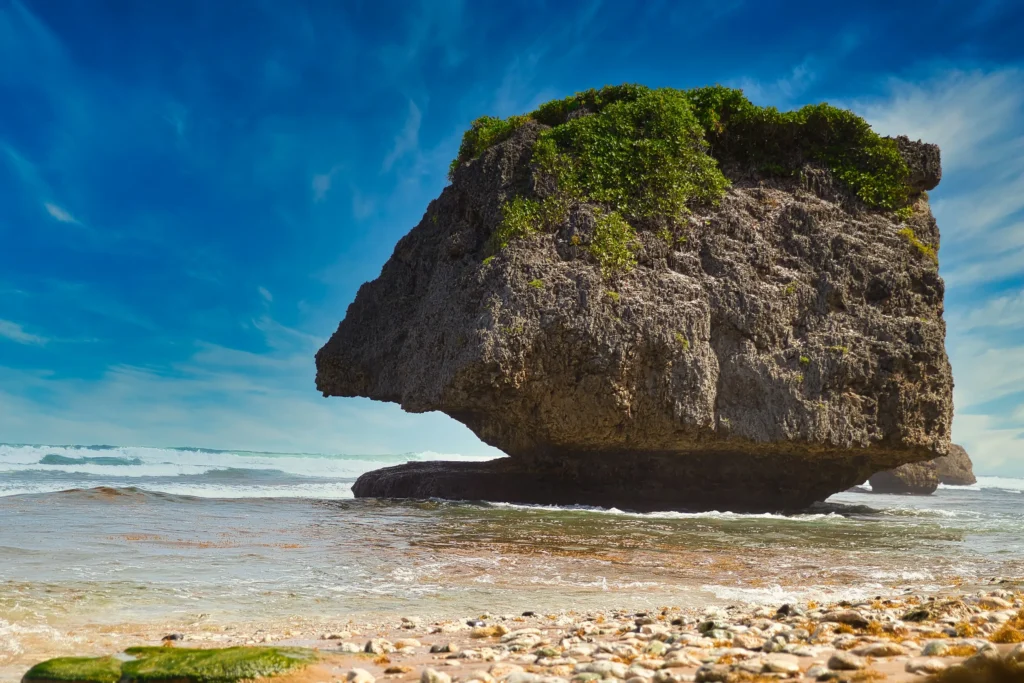
Grantley Adams International Airport serves as the sole entry point, located on the southern tip of the island where the lively coastal strip begins. Bridgetown holds the historical weight, housing the colonial garrison, old parliament buildings, and a duty-free port area. Heading north along the calm Caribbean side leads to the upscale bays of St. James, while the dramatic, Atlantic-facing side around Bathsheba offers massive rock formations and world-class surfing. The central uplands open up around Harrison’s Cave and historical sugarcane estates, offering panoramic viewpoints and walking paths far removed from the resort shoreline.

Barbados Key Facts

Moving around the island is highly accessible using the public transit system of large blue buses and yellow reggae zr vans, though renting a car requires driving on the left side of the road. Bajan dialect is spoken universally, and while English is the official language, the local cadence and terminology shape the humor and flow of daily interactions. Cash, specifically Barbadian dollars, is preferred for local fish markets, beach vendors, and historical rum shops, though credit cards are widely accepted elsewhere.

Bridgetown
280,000
Barbadian Dollar (BBD)
431 km²
December through April (Dry Season)
English / Bajan Dialect

Travel Requirements For Barbados

Moving around the island is highly accessible using the public transit system of large blue buses and yellow reggae zr vans, though renting a car requires driving on the left side of the road. Bajan dialect is spoken universally, and while English is the official language, the local cadence and terminology shape the humor and flow of daily interactions. Cash, specifically Barbadian dollars, is preferred for local fish markets, beach vendors, and historical rum shops, though credit cards are widely accepted elsewhere.

Weather in Barbados

Moving around the island is highly accessible using the public transit system of large blue buses and yellow reggae zr vans, though renting a car requires driving on the left side of the road. Bajan dialect is spoken universally, and while English is the official language, the local cadence and terminology shape the humor and flow of daily interactions. Cash, specifically Barbadian dollars, is preferred for local fish markets, beach vendors, and historical rum shops, though credit cards are widely accepted elsewhere.

What To Wear in Barbados

Moving around the island is highly accessible using the public transit system of large blue buses and yellow reggae zr vans, though renting a car requires driving on the left side of the road. Bajan dialect is spoken universally, and while English is the official language, the local cadence and terminology shape the humor and flow of daily interactions. Cash, specifically Barbadian dollars, is preferred for local fish markets, beach vendors, and historical rum shops, though credit cards are widely accepted elsewhere.

Loading...